

What is ankle instability?
.webp)
Ankle Instability, understanding the condition and treatment options
Ankle instability is a condition characterised by loose or stretched ligaments on either the inside or outside of the ankle. When these ligaments become compromised, the ankle joint loses its stability, causing individuals to feel unsteady on their feet and frequently experience the sensation of the ankle "giving way."
Often referred to as "ankle weakness," this condition stems from multiple intrinsic and extrinsic factors, including:
- Abnormal foot and ankle alignment
- Muscle weakness in the ankle and lower leg
- Poor proprioception (the sense through which we perceive position and movement in our body)
- History of ligament damage, typically from previous ankle sprains
Ankle instability is particularly common following one or more ankle sprains, especially if these injuries weren't properly rehabilitated.
.png)
What causes ankle instability?
Ankle instability develops when the supportive ligaments around the ankle become stretched or damaged. These ligaments—located on both the inside and outside aspects of the ankle—are crucial for stabilising the joint during walking, running, and sporting activities.
Most ankle injuries result from lateral ankle sprains, where the foot twists inward toward the body, typically when the foot is pointing downward rather than flat on the ground. This mechanism can cause ligaments and surrounding structures to stretch, with some fibres tearing partially or, in severe cases, completely.
When these ligaments don't heal properly or when repeated injuries occur, chronic instability can develop, making the ankle vulnerable to further injury.
Signs and symptoms of ankle instability
If you're experiencing ankle instability, you may notice several characteristic symptoms:
- Feeling unsteady or wobbly when walking, especially on uneven surfaces
- The sensation of your ankle "giving way" during activity
- Recurring ankle sprains
- Persistent swelling or tenderness
- Pain, particularly during activity
- Difficulty walking for long periods
- A feeling of weakness in the affected ankle
These symptoms can significantly impact daily activities and athletic performance, making proper diagnosis and treatment essential.
How a podiatrist can help with ankle instability
At Flawless Feet Laser and Podiatry clinics, we offer comprehensive assessment and treatment for ankle instability. Our approach provides numerous benefits, primarily focusing on stabilising the foot and ankle through various interventions:
- Detailed clinical history
- Thorough examination of both ankles
- Biomechanical assessment and gait analysis
- Clear explanation of findings and treatment options
Treatment options
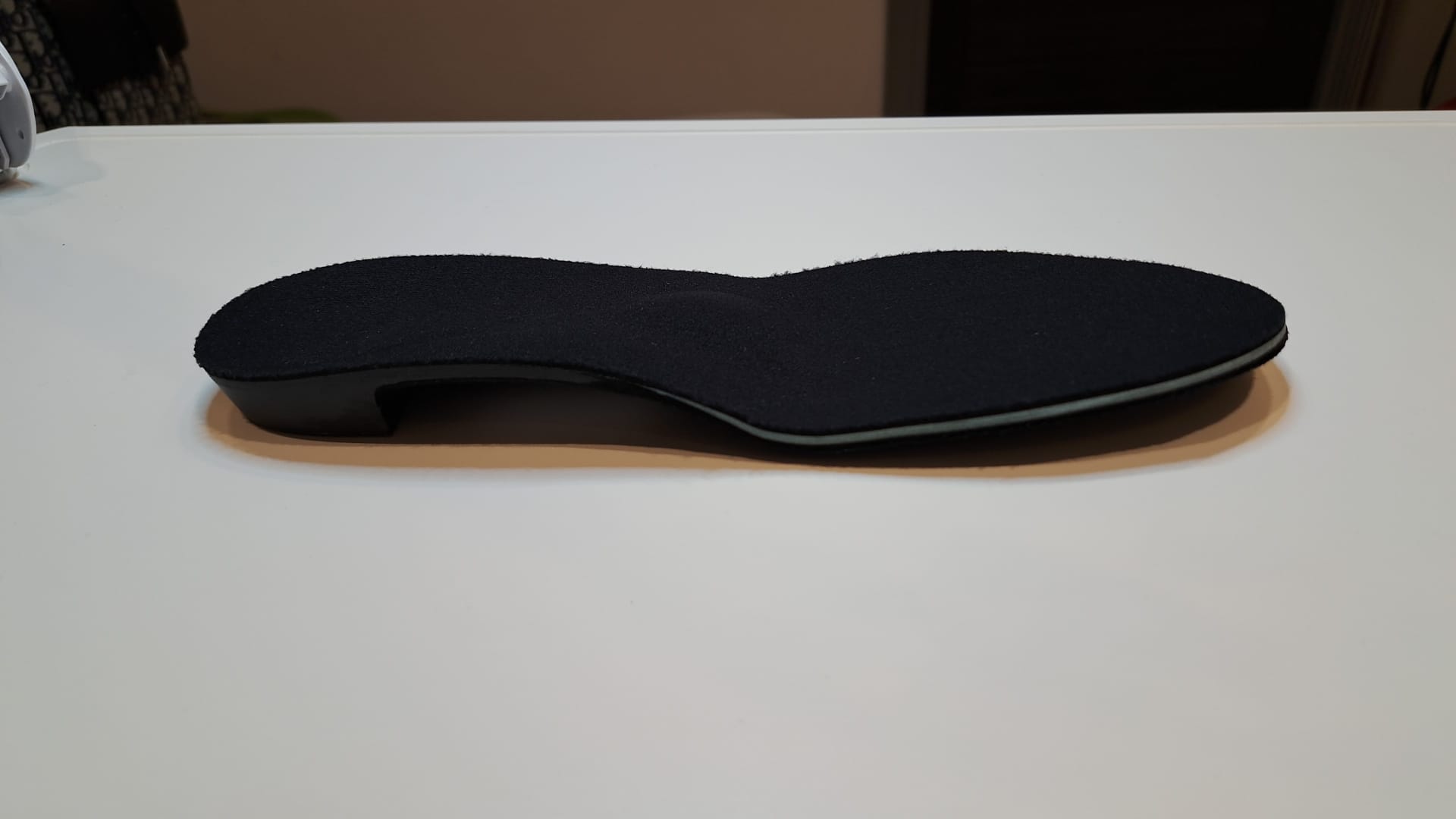
- Custom orthotics: Devices designed to control foot position and improve ankle stability
- Proprioceptive exercises: Retraining your body's position sense to improve ankle control
- Balance and strengthening programmes: Targeted exercises to enhance ankle strength and stability
- Supportive devices: Including braces and taping techniques for additional joint support
- Footwear assessment: Recommendations for optimal shoe choices to enhance stability
- Education and advice: Preventative strategies and self-management techniques
People who experience ankle instability often roll on the outside of their foot—a movement called supination. Our custom orthotics can be specifically designed to reduce this tendency, improving foot and ankle mechanics and decreasing the likelihood of the ankle giving way.
What to expect during your podiatry assessment

When you visit our London clinic for ankle instability, your consultation will include:
- A comprehensive discussion about your symptoms, injury history, and lifestyle
- A detailed examination of both ankles to compare structure and function
- A biomechanical assessment to analyse how your feet and ankles function during walking and standing
- A clear explanation of our findings and recommended treatment approach
- Implementation of appropriate treatment modalities
Our treatment goals are to prevent the ankle from giving way, provide adequate support, reduce pain, and ultimately restore normal function so you can return to your daily activities with confidence.
The importance of early intervention
If left untreated, ankle instability can lead to chronic problems, including:
- Repeated ankle sprains
- Persistent pain
- Arthritic changes in the ankle joint
- Decreased activity levels and quality of life
Seeking advice from a podiatrist specialising in biomechanical gait analysis and treatment early can significantly improve outcomes and prevent these long-term complications.
If you're experiencing symptoms of ankle instability, we encourage you to book an appointment with us at Flawless Feet Podiatry and Laser
clinic. Our team will develop a personalised treatment plan to help stabilise your ankle, reduce pain, and get you back to your normal
activities with confidence.
Related Blogs


(7).webp)
(5).webp)
(1).webp)
.webp)
.png)
.webp)
.webp)
.webp)
.webp)
.webp)
.webp)
.webp)
.webp)