
Shockwave Therapy (ESWT) for Heel & Achilles Pain in London
Extracorporeal Shockwave Therapy at a Glance
-
 Best for: chronic Plantar Fasciitis and Achilles Tendinopathy that hasn't responded to rest, physiotherapy, painkillers or steroid injections.
-
Sessions: typically 3–6 sessions of 10–15 minutes, spaced 1–2 weeks apart.
-
How it works: high-energy acoustic waves stimulate blood flow, collagen production and tissue repair — no needles, no surgery.
-
Recovery: most patients return to normal activities immediately; avoid intense exercise for a few days.
-
Where: Flawless Feet clinics in Sydenham, Croydon and Covent Garden — ESWT available across London.
-
Sources: NHS – Plantar fasciitis · NHS – Achilles tendinopathy.
If you are dealing with persistent pain from Plantar Fasciitis or Achilles Tendinopathy, you've likely tried several treatments, such as physiotherapy, painkillers, or even steroid injections. While these treatments can provide temporary relief, they may not address the root cause of the pain or may not work for everyone. That’s where Extracorporeal Shockwave Therapy (ESWT) comes in—a non-invasive treatment, recognised in NICE guidance, that targets the underlying issues and supports the body’s natural healing.
At Flawless Feet Podiatry & Laser Clinic, we use ESWT to treat Plantar Fasciitis and Achilles Tendinopathy, offering you a safe, effective, and minimally invasive treatment. With locations in Sydenham, Croydon, and Covent Garden, our expert chiropodists and podiatrists are ready to help you on your road to recovery.
How Does Shockwave Therapy Work?
Shockwave therapy is a well-established medical treatment that uses high-energy acoustic waves to promote healing and pain relief, making it an effective treatment for chronic tendon pain. The therapy works by delivering a series of shockwaves to the affected area, which stimulates blood circulation, accelerates tissue repair, and reduces pain as part of non-surgical pain management therapies.
These waves are effective for pain relief, injury prevention, and healing, making them particularly helpful in treating musculoskeletal conditions like Plantar Fasciitis and Achilles Tendinopathy.
Each session also increases blood supply to the injured area, enhancing the body's natural healing mechanisms, while promoting collagen production and the release of growth factors — both essential for repairing damaged tissue and reducing pain. By triggering these biological processes, shockwave therapy accelerates the recovery of damaged tendons and tissues that haven't responded to rest, physiotherapy or medication.
What Happens at the Cellular Level?
Tendons, including those in the feet and lower legs, are made up of cells called tenocytes, which maintain and repair tendon tissue. When a tendon is injured, the body’s ability to repair itself can stall, leading to persistent pain and discomfort.
ESWT re-stimulates these tenocytes, encouraging them to produce collagen (the primary protein in tendons) and growth factors that play a crucial role in tissue healing, while increasing blood flow to the damaged area. Studies show that shockwave therapy boosts the release of Transforming Growth Factor-beta (TGF-β) and Vascular Endothelial Growth Factor (VEGF) — essential for rebuilding damaged tendons, improving their function and strength.
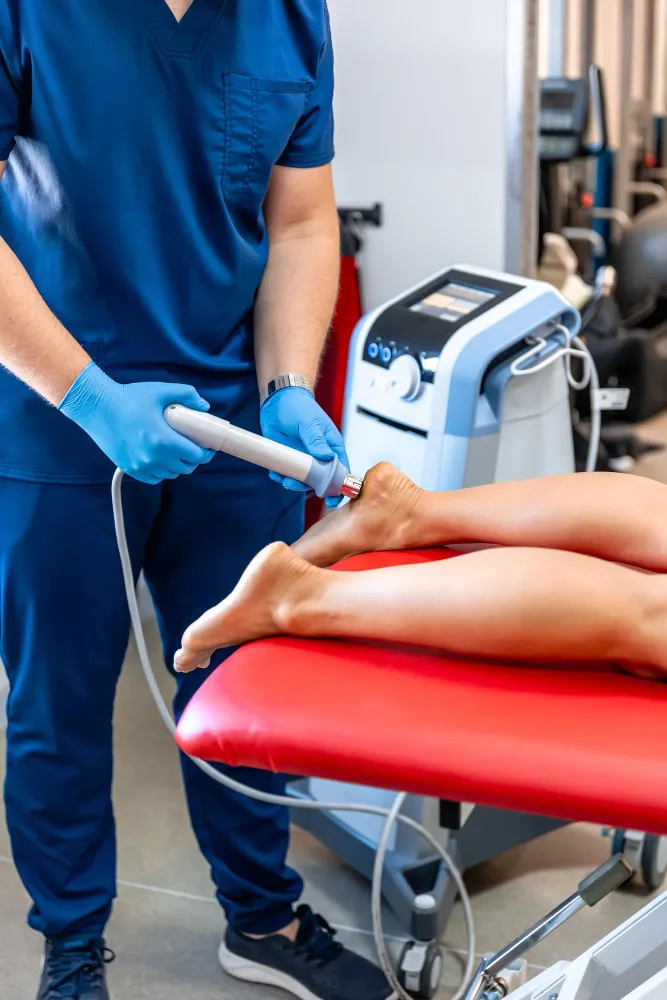
Radial vs Focused Shockwave — Which Device We Use
Radial shockwave therapy disperses acoustic waves from the surface of the skin into the surrounding tissue, while focused shockwave concentrates the energy on a precise point deeper in the body. Radial ESWT is the most widely used form for heel and Achilles pain — it's what we use at Flawless Feet, and it's the form the NICE guidance and most clinical trials cover.
The Evidence: NICE Guidance
Shockwave therapy is recognised by NICE (the National Institute for Health and Care Excellence) in interventional procedures guidance IPG311 for refractory plantar fasciitis and IPG571 for refractory Achilles tendinopathy. “Refractory” here means pain that hasn't responded to standard treatments like rest, physiotherapy, orthotics or painkillers. NICE advises that ESWT should be used with special arrangements for clinical governance, consent and audit — so outcomes are recorded and reviewed — and supports its use in these specific circumstances rather than as a first-line treatment.
What a Session Feels Like
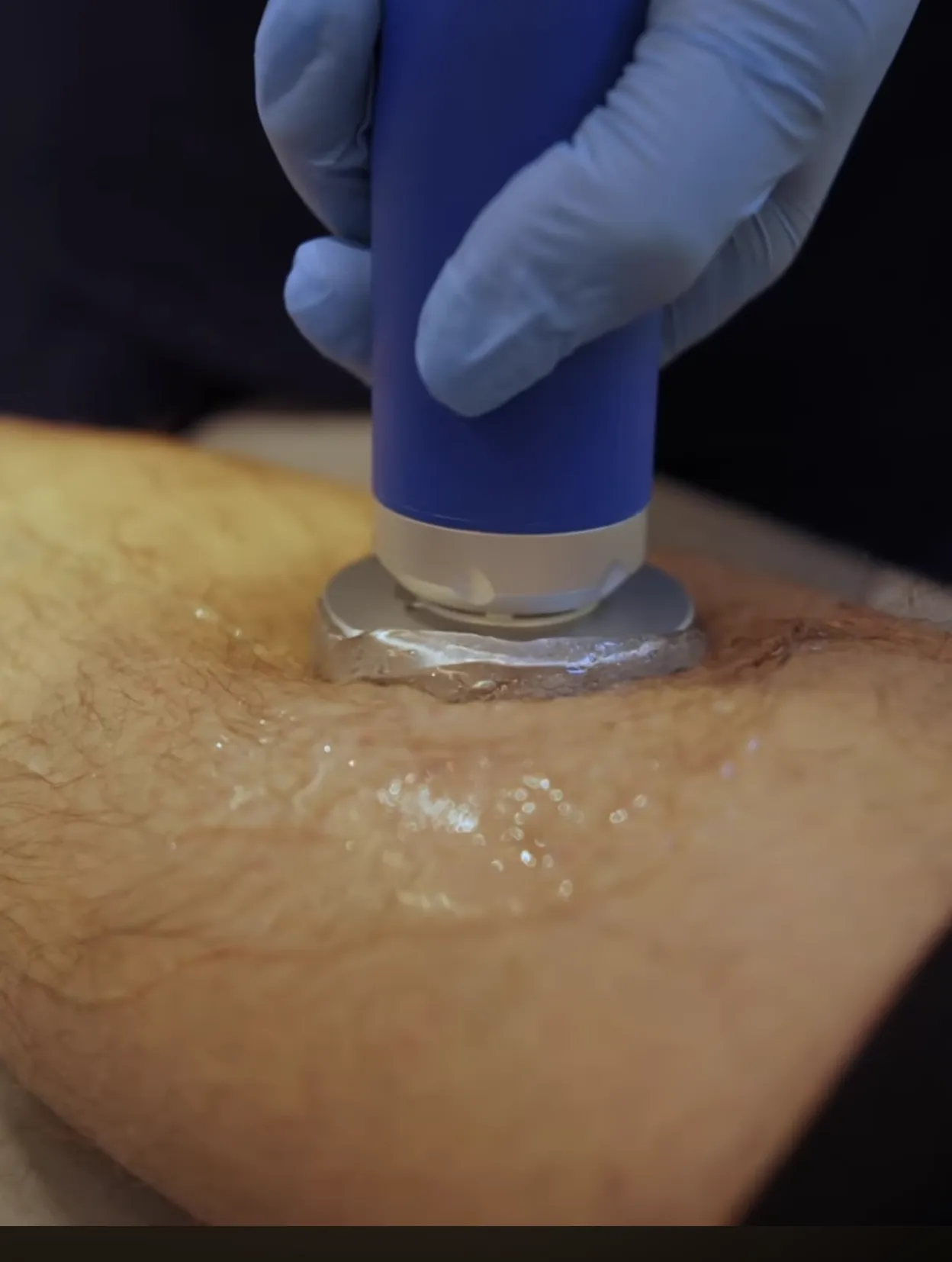
Each session lasts just 10–15 minutes. We apply gel to the skin and pass the shockwave handpiece over the tender area. You'll feel a mild to moderate sensation — often described as quick taps or pressure pulses — which we adjust to your comfort. There's no anaesthetic, no needles and no downtime, and most patients return to normal activities straight away.
Other Conditions We Treat with Shockwave Therapy
Beyond plantar fasciitis and mid-portion Achilles tendinopathy, radial shockwave is also effective for insertional Achilles tendinopathy (where the tendon attaches to the heel bone), painful heel spurs, Patellar Tendinopathy, Rotator Cuff Tendinopathy and Tennis Elbow. See who can benefit from shockwave therapy for the full list.

Can Shockwave Therapy Solve My Plantar Fasciitis & Achilles Tendinopathy Pain?
If you’re struggling with the persistent pain of Plantar Fasciitis or Achilles Tendinopathy, Extracorporeal Shockwave Therapy (ESWT) could be the solution you've been looking for. However, it's important to note that ESWT is not always a stand-alone treatment. Our experienced podiatrists will create a bespoke treatment plan tailored to your specific needs.
At Flawless Feet, we understand that every patient's journey is different. Your treatment plan will consider factors such as your injury, your desired activity levels, occupation, and your treatment goals. While ESWT is a great option for those who have not responded well to conservative treatments like physiotherapy, rest, steroid injections, and painkillers, our podiatrists ensure that your plan is comprehensive and aligned with your long-term goals.
Benefits of Extracorporeal Shockwave Therapy for Plantar Fasciitis & Achilles Tendinopathy
ESWT is non-invasive and drug-free — and it is most suitable when heel or Achilles pain has lasted three months or more despite exercise, stretching or physiotherapy.
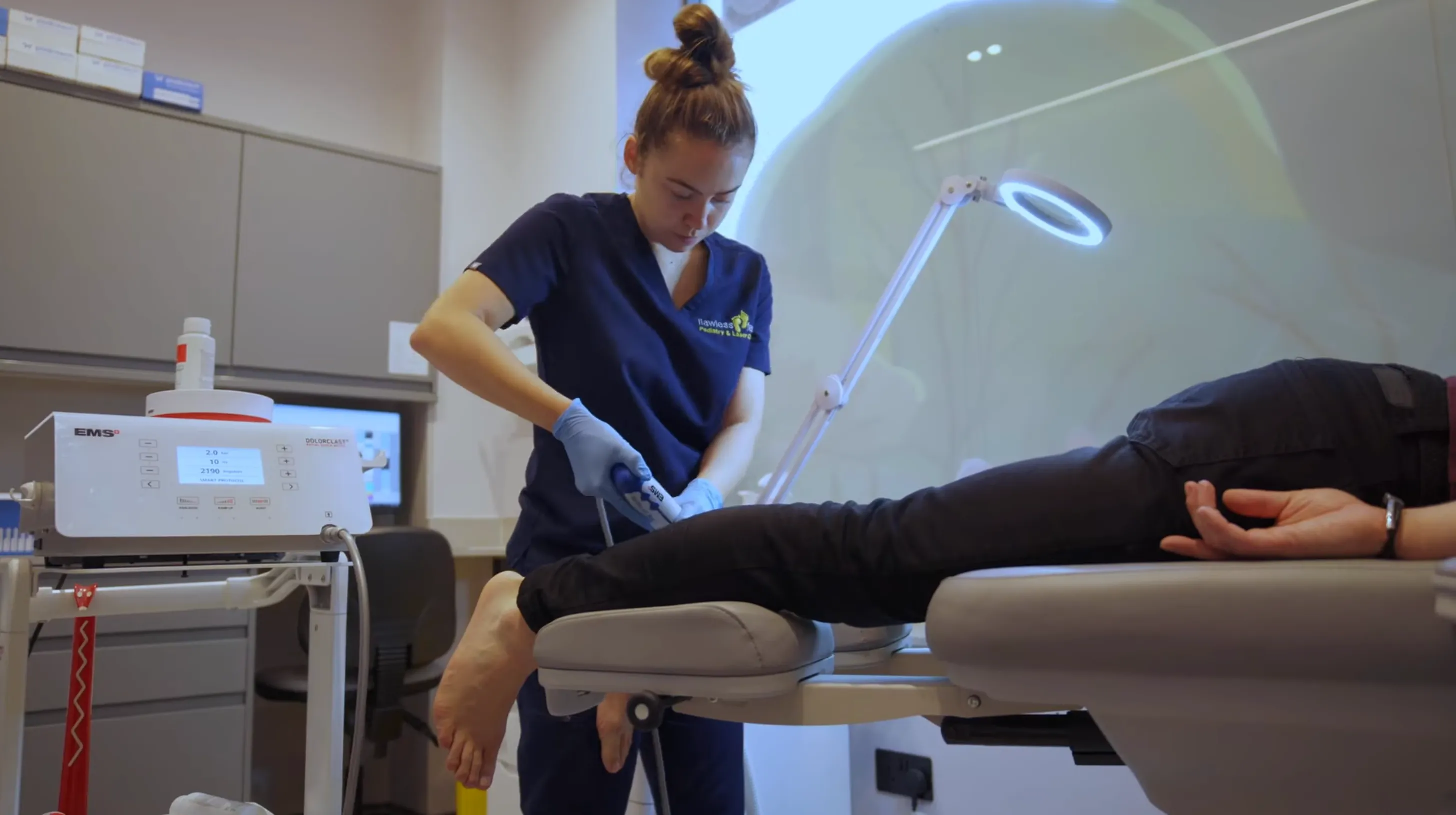
Who Can Benefit from Shockwave Therapy?
ESWT is a versatile treatment that can be beneficial for a wide range of conditions, but it is particularly effective for:
-
Plantar Fasciitis: Chronic heel pain, especially under the heel or arch.
-
Achilles Tendinopathy: Pain in the Achilles tendon, often exacerbated by physical activity.
-
Other Tendon Injuries: ESWT can also help with other tendon injuries like Patellar Tendinopathy (knee
pain), Rotator Cuff Tendinopathy, and Tennis Elbow.
Who Should Avoid Shockwave Therapy?
While ESWT is generally safe, it is not suitable for everyone. People with the following conditions should avoid shockwave therapy:
-
Cancer patients (due to potential complications)
-
Pregnant women
-
People with damaged lung, brain, or spinal tissue in the treatment area
Always consult with your podiatrist to ensure that shockwave therapy is safe and appropriate for your condition.

What to Expect During Your Shockwave Therapy Session
Treatment Duration and Frequency
Each ESWT session typically lasts 10-15 minutes. Depending on your condition, you may need 3-6 sessions, spaced about 1-2 weeks apart, to achieve optimal results. Our podiatrists will develop a treatment plan based on your specific needs and injury severity.
Some patients notice improvement early in the course, but for most people the benefit builds across the sessions. Completing the full course gives the best chance of avoiding more invasive options if the condition is becoming chronic.
During the Session
You will lie comfortably while the podiatrist applies a gel to the treatment area. The shockwave device will then be placed on the skin, delivering waves of energy to the injured tissue. Most patients feel a mild to moderate sensation during the procedure, but it should not be painful. The sensation is typically described as a series of quick taps or pressure pulses.
After the Session
Following treatment, you may experience some temporary soreness in the treated area. This is a normal response as your body begins the healing process. Most people are able to return to normal activities immediately, although we recommend avoiding intense physical activity for a few days to allow the tissue to heal properly.
Why Choose Flawless Feet for Extracorporeal Shockwave Therapy?
At Flawless Feet Podiatry & Laser Clinic, we are committed to providing the highest level of care and the most effective treatments for Plantar Fasciitis and Achilles Tendinopathy. Our podiatrists have extensive experience using ESWT to treat a wide variety of foot and lower limb conditions. With locations in Sydenham, Croydon, and Covent Garden, we are conveniently situated to provide top-quality care across London.
Shockwave Therapy Prices
Clear, upfront pricing with no hidden costs — the same session price at all three of our London clinics.
Per Session
£100
Shockwave therapy costs £100 per session at our Sydenham, Croydon and Covent Garden clinics. Each session lasts 10–15 minutes.
Typical Course
3–6 sessions
A typical course is 3–6 sessions, 1 week apart (roughly £300–£600). We’ll confirm the exact number of sessions you need at your assessment.
New Patients
£90 / £110
New patients start with an initial assessment at £90/£110, then your first shockwave session is £100. Existing patients simply pay the per-session price.
Frequently Asked Questions
Book Your Podiatrist in London
Book your treatment at Flawless Feet Podiatry & Laser Clinic in London and experience expert care designed to relieve discomfort, restore movement, and get you back on your feet, comfortably.
Contact Flawless Feet
More Treatments
Select Treatments
Ingrown Toenail
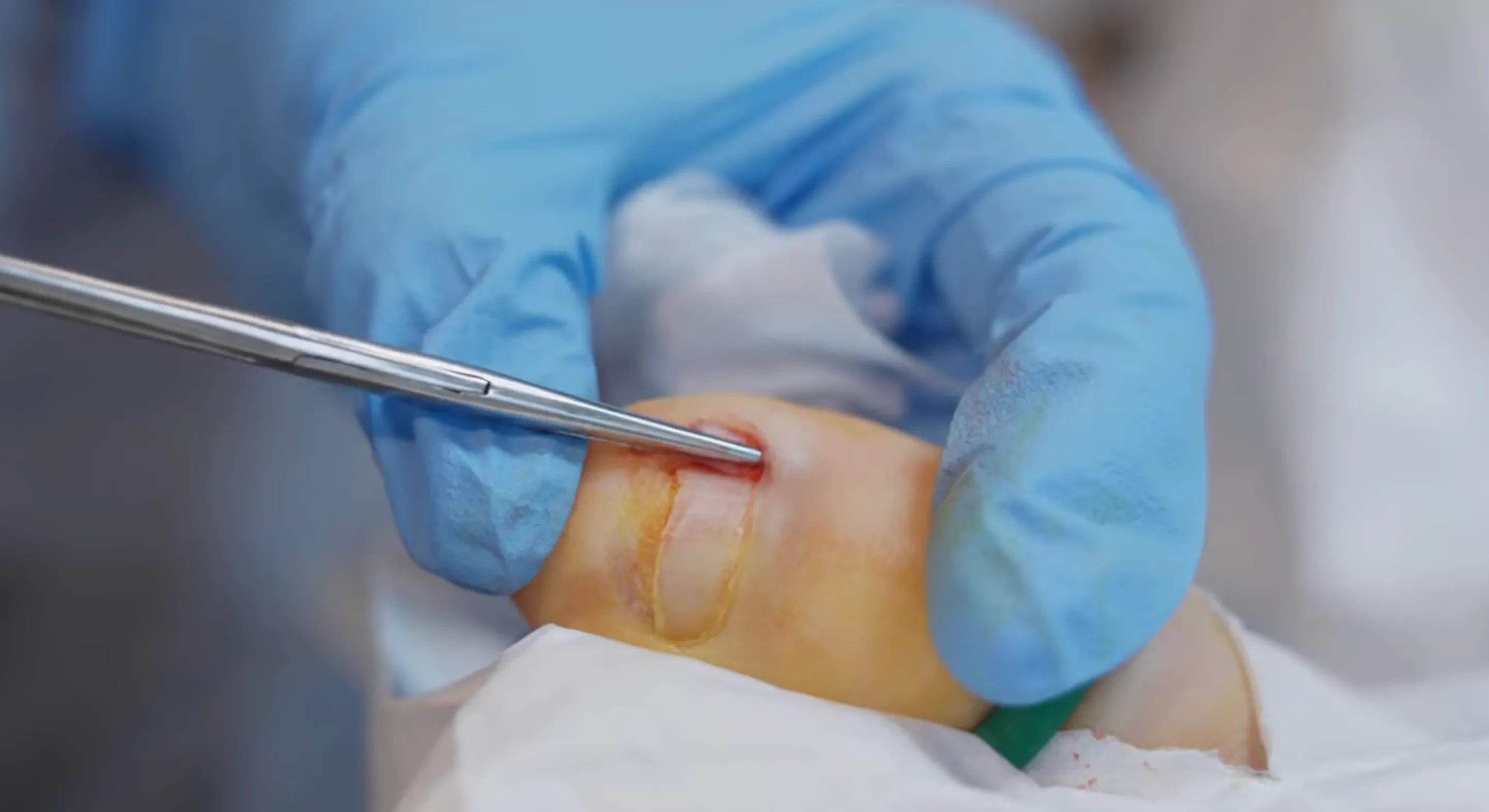
At Flawless Feet Podiatry & Laser Clinic, our skilled podiatrists offer professional ingrown toenail treatment that is both effective and minimally invasive.
Learn More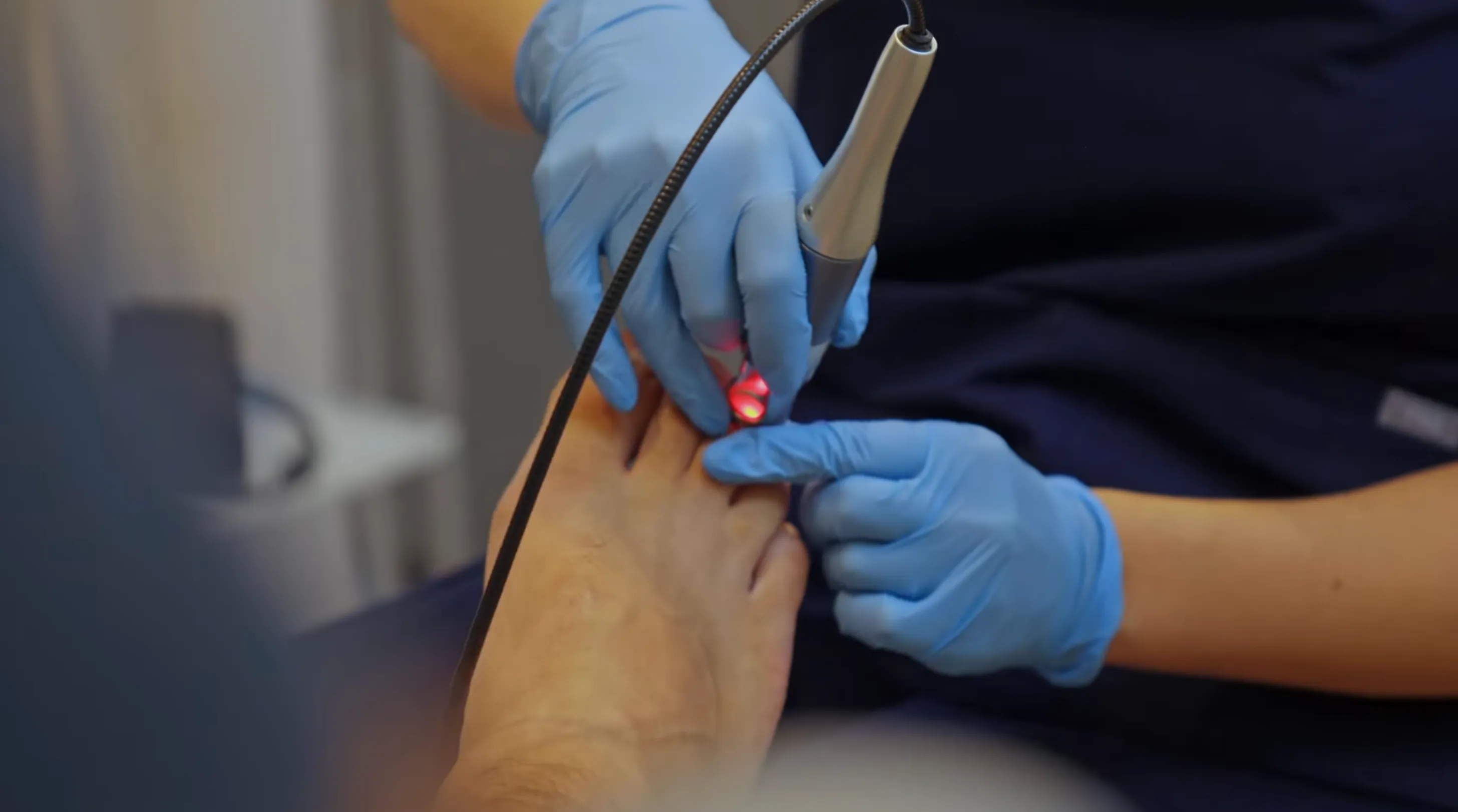
Laser Fungal Nail
If you're dealing with persistent fungal nail infections that haven’t responded to topical creams or oral medications, laser fungal nail treatment at Flawless Feet Podiatry & Laser Clinic offers a modern, effective solution.
Learn More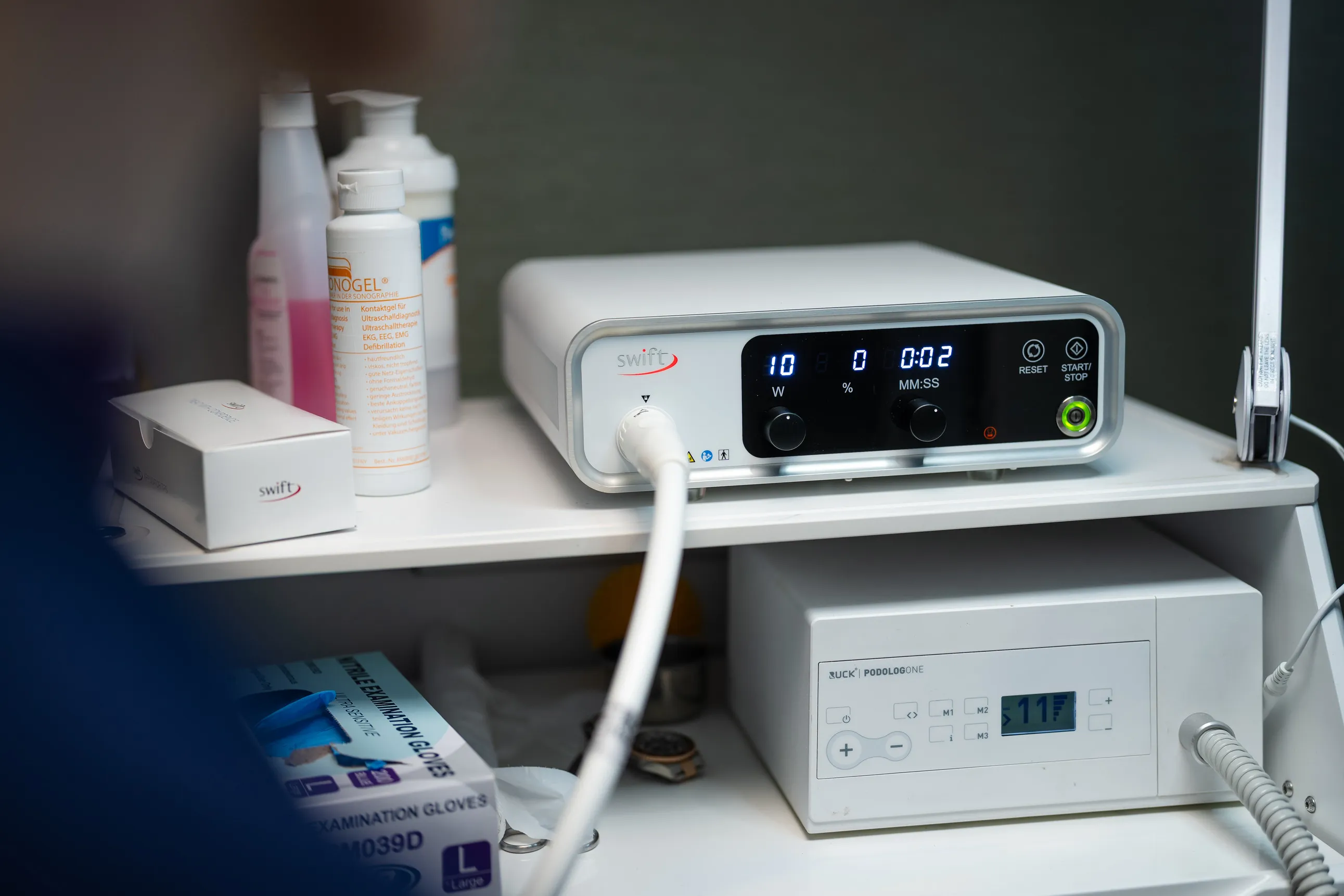
Verruca Treatment with SWIFT® Microwave Technology
SWIFT® is a groundbreaking technology licensed for the treatment of verrucas and other skin lesions in podiatry and dermatology.
Learn More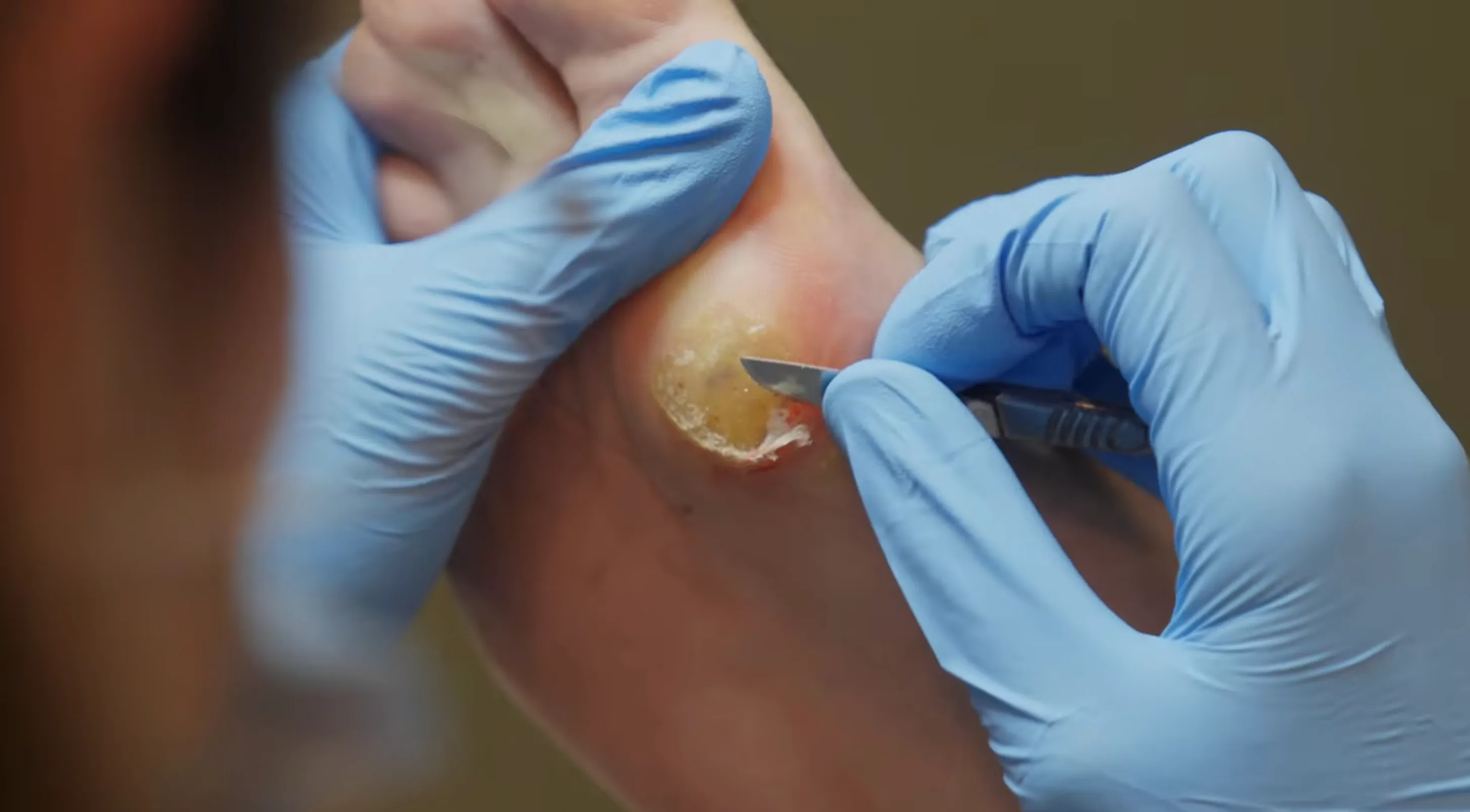
Verruca Needling (Falknor's Needling)
Verruca needling (also known as Falknor’s Needling) is a proven method to treat verrucas and warts, especially when other treatments have failed.
Learn More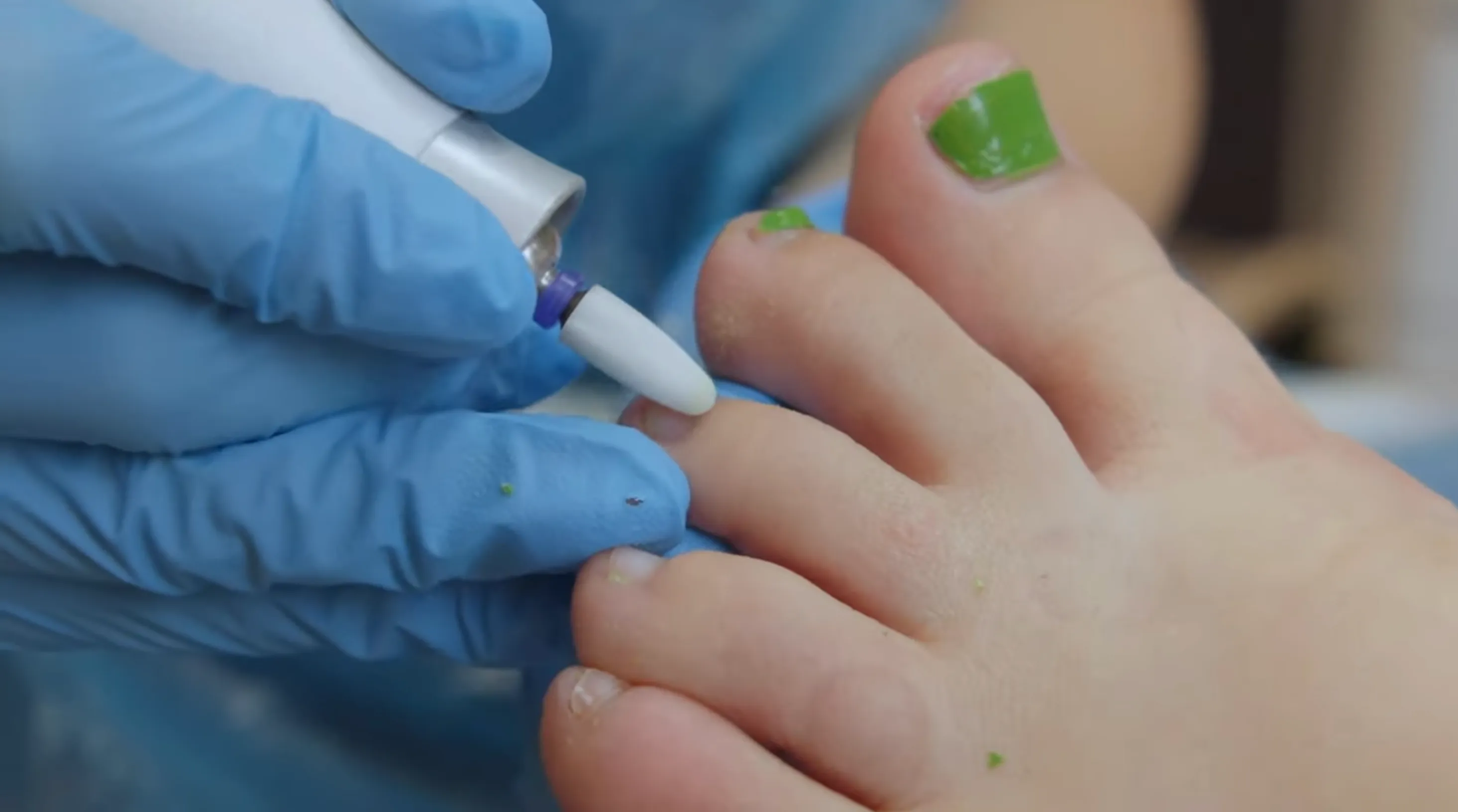
Medical Pedicure
A medical pedicure is more than just a cosmetic foot treatment. It’s a thorough, professional foot care service performed by a trained podiatrist or chiropodist that addresses both aesthetic and medical foot concerns.
Learn More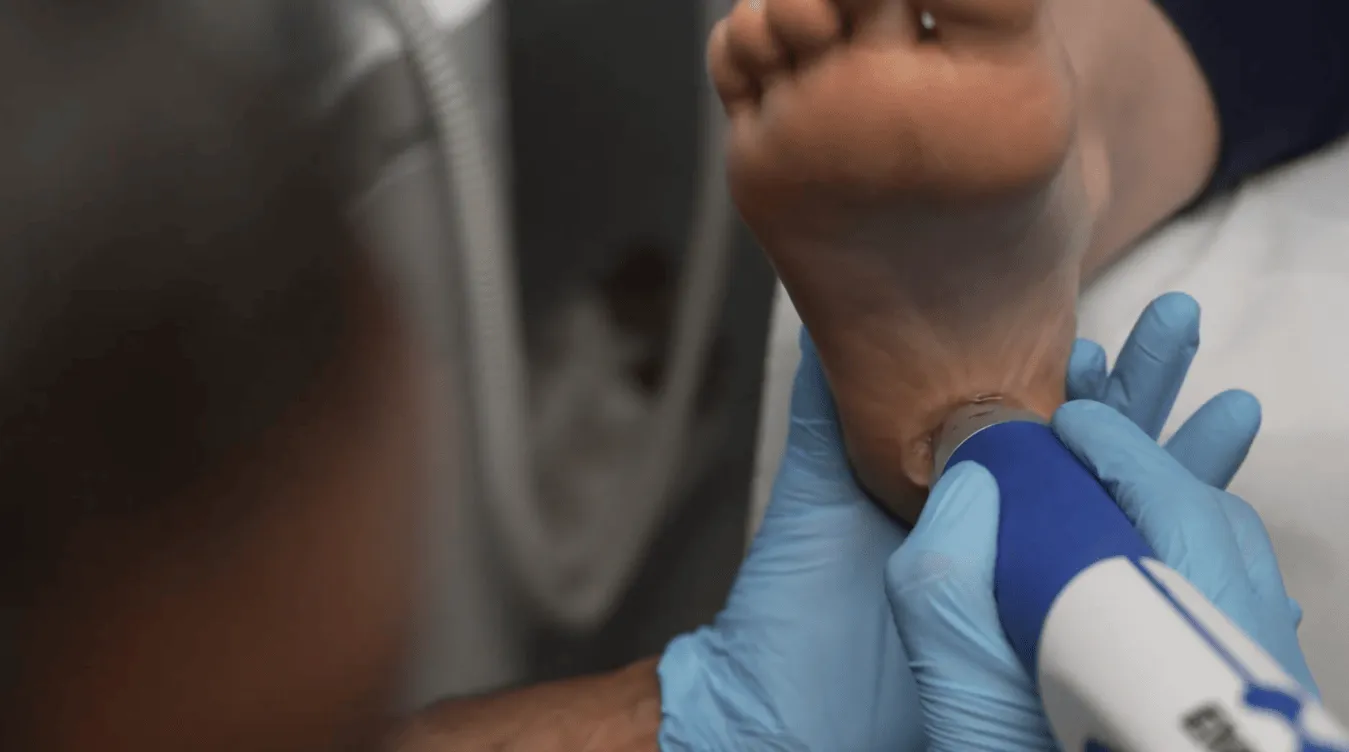
Extracorporeal Shockwave Therapy (ESWT)
At Flawless Feet Podiatry & Laser Clinic, we use ESWT to treat Plantar Fasciitis and Achilles Tendinopathy, offering you a safe, effective, and minimally invasive treatment.
Learn More
Low Level Laser Therapy
Low Level Laser Therapy (LLLT) is a safe, non-invasive treatment that uses low-intensity infrared light to stimulate the body's natural healing processes.
Learn More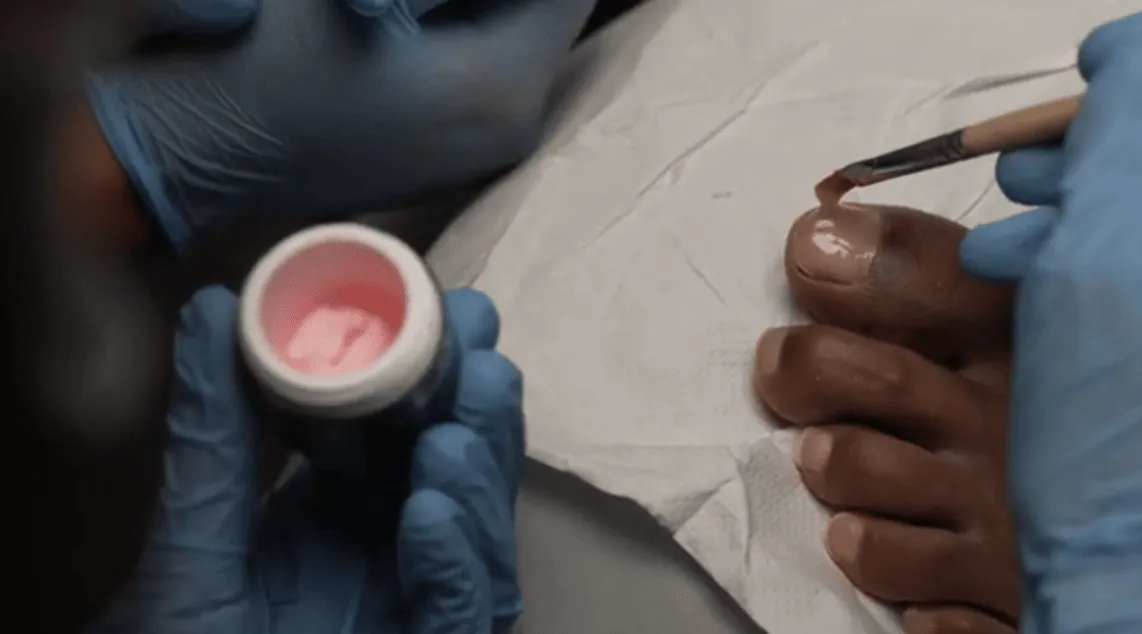
Nail Reconstruction
Nail reconstruction is a non-invasive procedure used to restore damaged, deformed, or missing nails due to various conditions such as fungal infections, trauma, or genetic abnormalities.
Learn More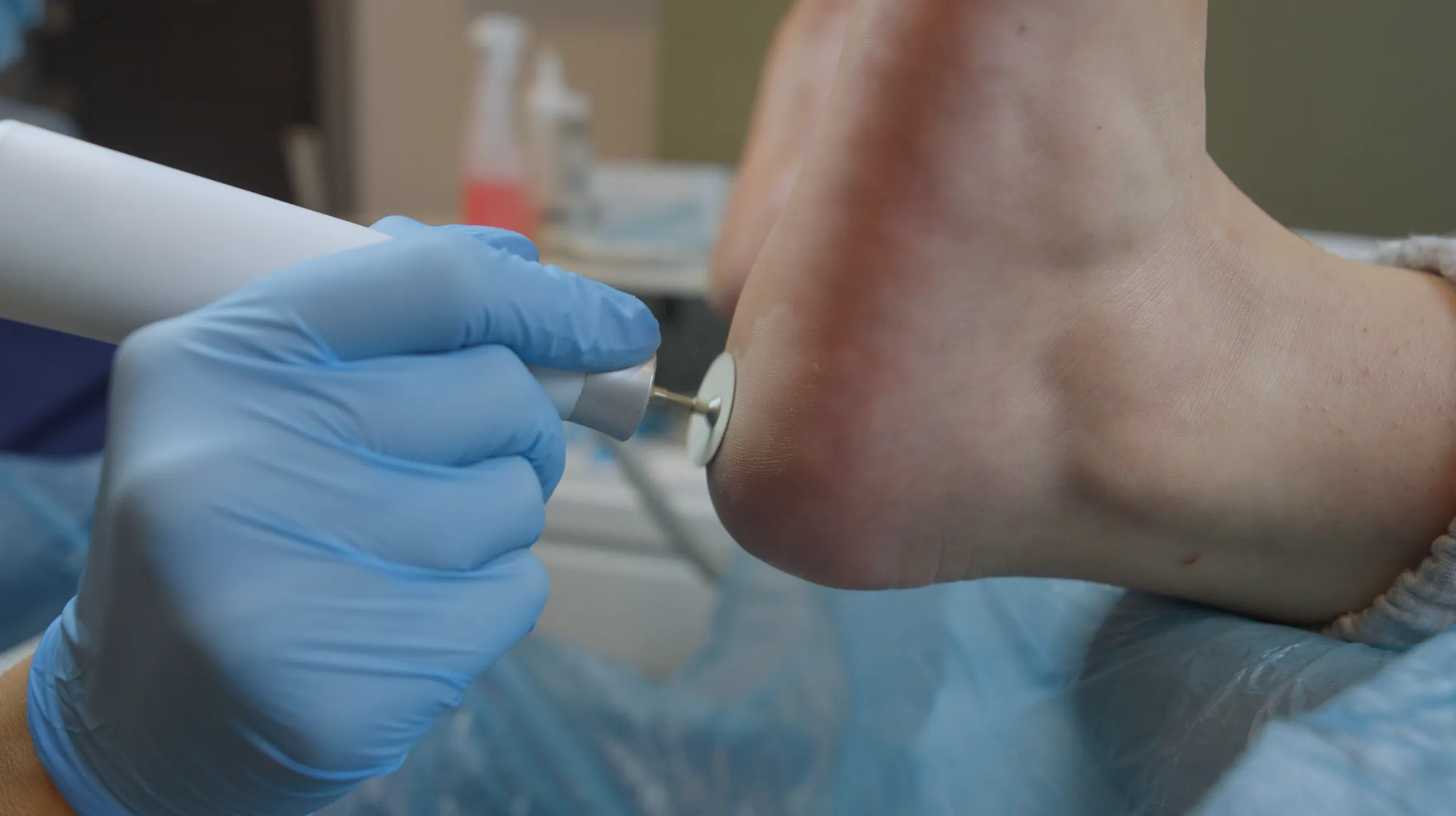
Effective Athlete's Foot Treatment
Athlete's foot is a common fungal infection of the skin on the feet. It can lead to intense itching, burning, cracked, blistered, or peeling areas of skin, redness, and scaling.
Learn MoreNeed Emergency Treatment?
Patients in need of urgent treatment should contact the surgery before 10am and every effort will be made to attend to such cases as soon as possible.
Please make it clear that it is urgent.

Cancellation Policy & Appointment Reminders
Please give 48 hours notice of cancellation otherwise a fee will be charged. (An answerphone is available out of hours so it is always possible to leave a message)
You will be reminded a day or two before your appointment, as a courtesy. However your responsibility to cancel any unwanted appointment remains and a full fee will be charged if you fail to inform us within 48 hours of your appointment.
Leave a MessageAdvance Payment Policy for New Patients
Payment for this initial appointment can be made via a link which will be sent to you, or over the phone with a debit or credit card, and you will be issued with a receipt that you can collect at your appointment.
If you prefer to pay in cash then you can pay for the appointment at the clinic, providing this is in advance of the appointment.
For any subsequent appointments you simply pay on the day.
Book TreatmentCustomer Testimonials