
Ankle Pain: Causes, Symptoms & Effective Treatments in London

Ankle Pain Treatment at a Glance
- What it is: pain in or around the ankle joint, commonly caused by sprains, Achilles tendinopathy, PTTD, stress fractures or arthritis
- Treatments we offer: custom orthotics, shockwave therapy, low-level laser therapy (LLLT) and tailored rehabilitation exercises
- Recovery: with the right treatment plan, many patients improve within 4–8 weeks
- Next step: book a biomechanical assessment at one of our three London clinics — Sydenham, Covent Garden or Croydon
Source guidance: NHS — Sprains and strains
Expert Podiatry and Chiropodists in London
Ankle pain is a common condition that can significantly impact your mobility, whether you're an active runner, a weekend hiker, or simply navigating your daily routine.
At Flawless Feet Podiatry & Laser Clinic, we understand the complex anatomy of the ankle and provide effective, evidence-based solutions for both acute injuries and chronic conditions. With clinics located in Sydenham High Street, Covent Garden, and Croydon, help is never far away.

Common Causes of Ankle Pain: Where Is Yours?
Ankle pain has many different causes, and you may not know yet which one is yours. Start with where it hurts and how it started — find the match below and follow the link to the right condition page, or book an assessment and we’ll diagnose it for you.
Achilles Tendinopathy
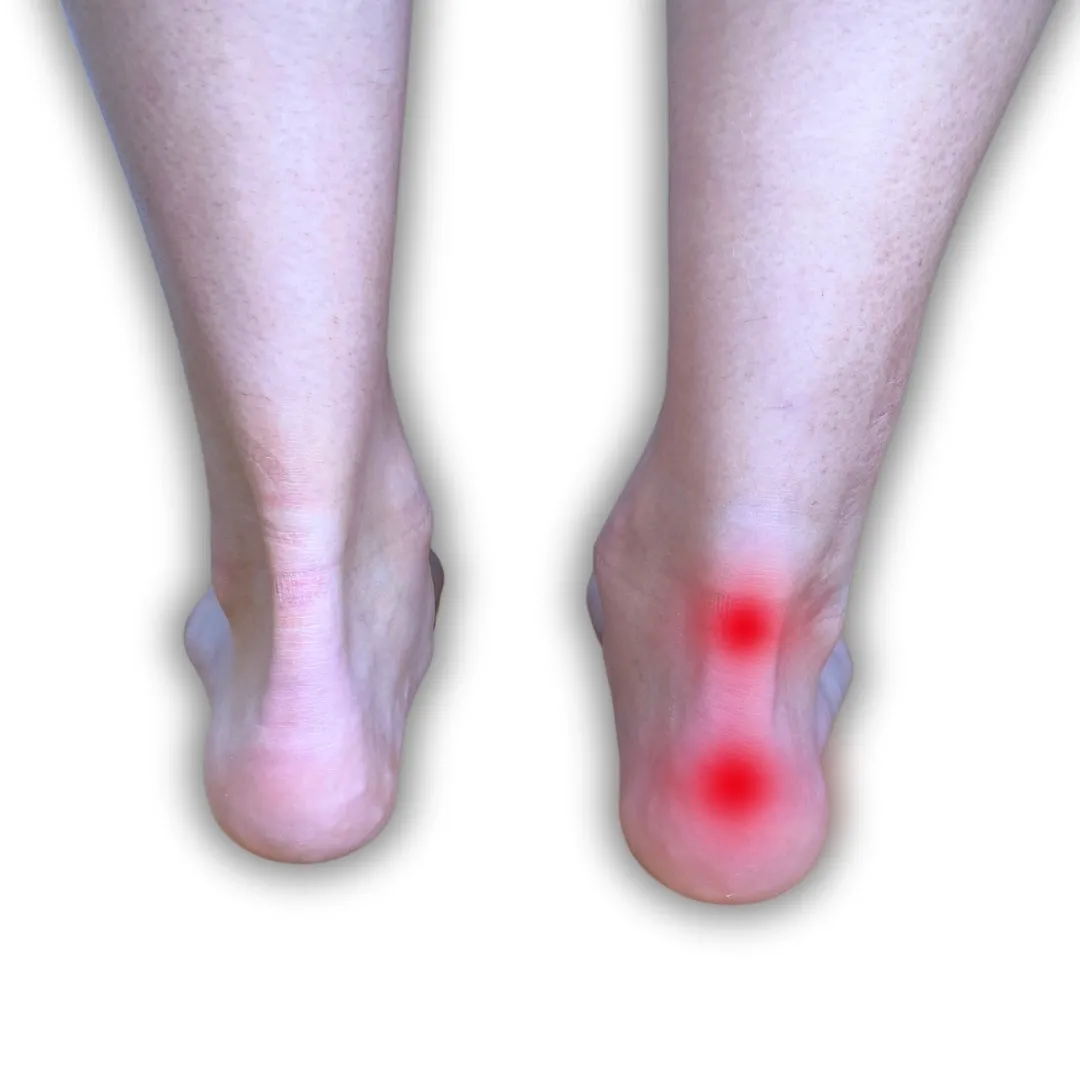
Pain at the back of the heel or ankle that’s stiff in the morning and worsens after running, stairs or hills is typical of Achilles tendinopathy.
PTTD or Flat Foot
Pain and swelling on the inner ankle with a gradually rolling-in, flattening arch often points to posterior tibial tendon dysfunction — or a fallen arch.
Ankle Sprain & Instability
Rolled the ankle during sport or on uneven ground? Sprained ligaments that keep “giving way” need proper rehabilitation, not just rest.
Ankle Arthritis
Grinding stiffness, swelling and a deep ache that’s worse in the morning or after activity can signal wear in the ankle joint itself. An assessment catches it early.
Possible Stress Fracture
Sharp, pinpoint pain on a bone that gets worse the further you run should be checked promptly — training through it can turn a stress reaction into a fracture.
Plantar Fasciitis or Heel Spur
Stabbing pain under the heel with your first steps in the morning is classic plantar fasciitis. A bony heel spur can cause pain in the same spot.
When to Go to A&E
Most ankle pain can safely wait for a clinic assessment — but some signs need urgent hospital care. Go to A&E or an urgent treatment centre if:
- You can't put weight on the leg or walk four steps
- The ankle looks deformed, or there's a wound over the bone
- You heard a snap at the back of the ankle (possible Achilles rupture)
- Your foot is cold, numb or blue
Not an emergency? Treat it right at home
For other sprains, use rest, ice, compression and elevation for 48 hours, then book an assessment if pain or instability persists beyond 1–2 weeks.
Source guidance: NHS — Sprains and strains
Ankle Sprains & Chronic Instability
Twisted your ankle? Sprains are the most common ankle injury we treat — and the most under-treated. Without proper rehabilitation a sprained ligament can heal loose, leaving an ankle that rolls repeatedly and keeps “giving way”. That's called chronic ankle instability, and the earlier it's treated, the better the outcome.
Mild Sprain
Ligament stretched, not torn. Mild swelling and tenderness, but you can still walk. Usually recovers in 1–3 weeks with relative rest, ice and early movement.
Moderate Sprain
Partial ligament tear. Noticeable swelling and bruising, walking is painful and the ankle feels loose. Needs a structured rehabilitation program — typically 4–8 weeks.
Severe Sprain
Ligament completely torn. Significant swelling, unable to bear weight and the joint feels unstable. Needs a full assessment, longer protection and guided rehabilitation.
Rehabilitation & Balance Training
Rest alone doesn't fix a sprain. Our rehabilitation programs rebuild the strength, balance and reaction time of the muscles that protect your ankle — single-leg balance work, resistance-band strengthening and sport-specific drills. This is the best-proven way to break the “sprain again and again” cycle and avoid chronic instability.
Bracing, Taping & When Orthotics Help
During recovery, a brace or sports taping protects the healing ligament while you stay active. If your instability is driven by poor foot biomechanics — an inward-rolling foot, for example — custom orthotics reduce the forces that keep re-spraining the ankle. They work alongside your rehabilitation, not instead of it.
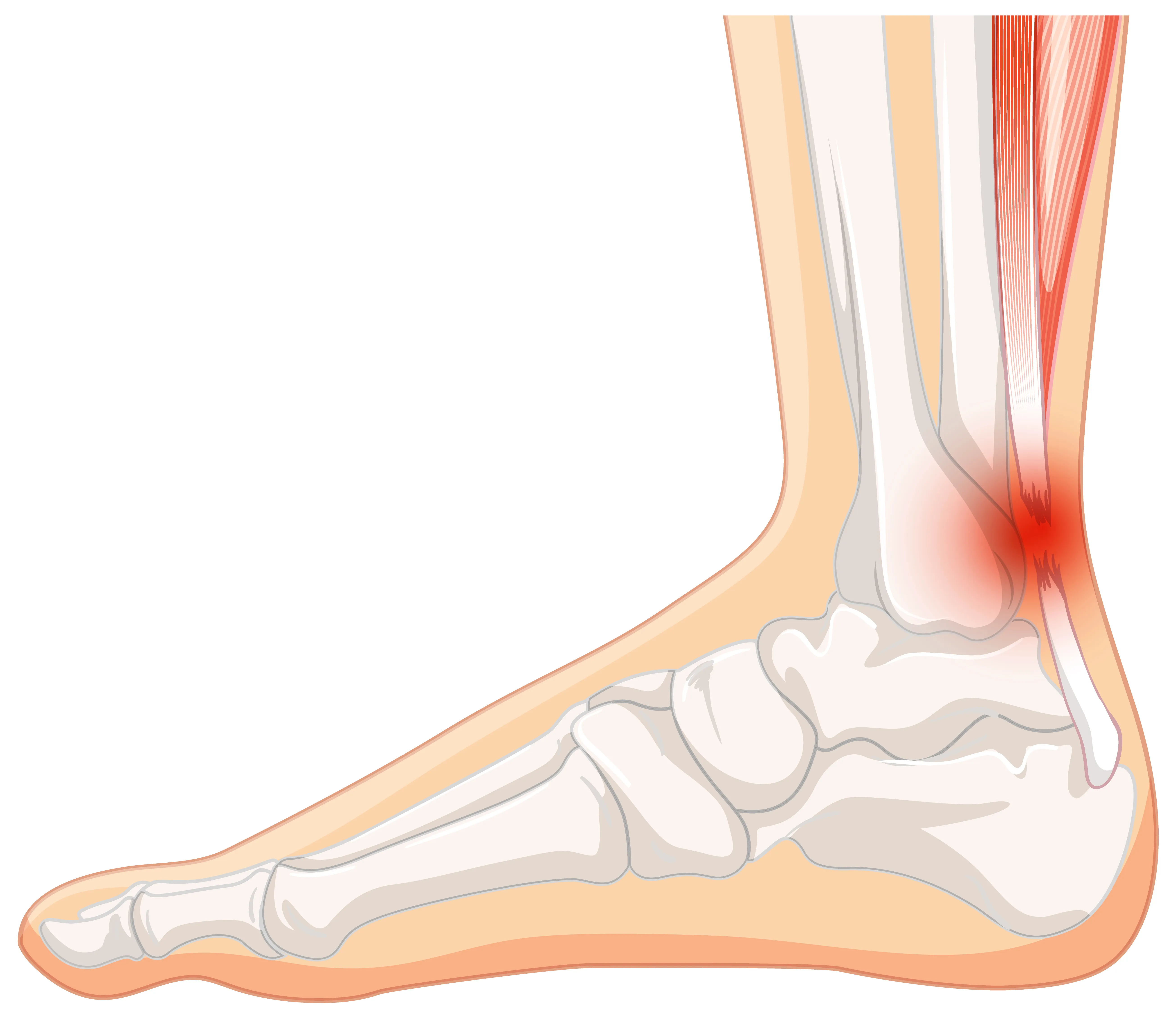
Symptoms of Ankle Pain
Every step you take loads the ankle with up to eight times your body weight — which is why it’s so vulnerable to strain and injury. Pain may come on suddenly after an acute injury such as a sprain, build gradually from overuse such as tendinopathy, or stem from a systemic condition like arthritis or gout.
You may experience one or more of the following:
- Pain when walking or standing for long periods
- Swelling around the ankle
- Limited range of motion
- Instability or a feeling of the ankle giving way
- Redness or warmth over the joint
- Sharp pain during or after activity
If you notice these symptoms persist or worsen over time, it’s best to seek professional help before further damage occurs.
How We Treat Ankle Pain
At Flawless Feet Podiatry & Laser Clinic in London, we offer a holistic approach to managing ankle pain. Our goal is to reduce pain, restore function, and prevent recurrence through advanced, non-invasive methods.
1. Custom Orthotics
Bespoke insoles that support your arch, improve foot alignment, and reduce stress on the ankle. Ideal for managing biomechanical causes of ankle pain and conditions like flat feet or overpronation.
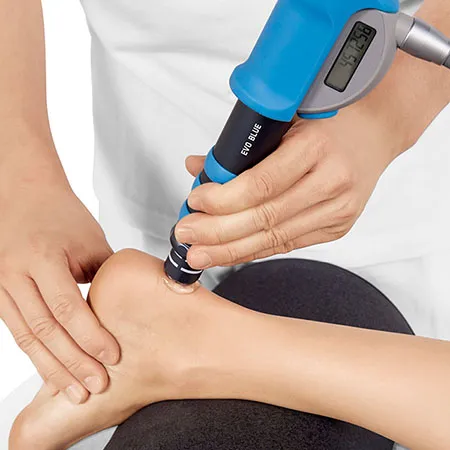
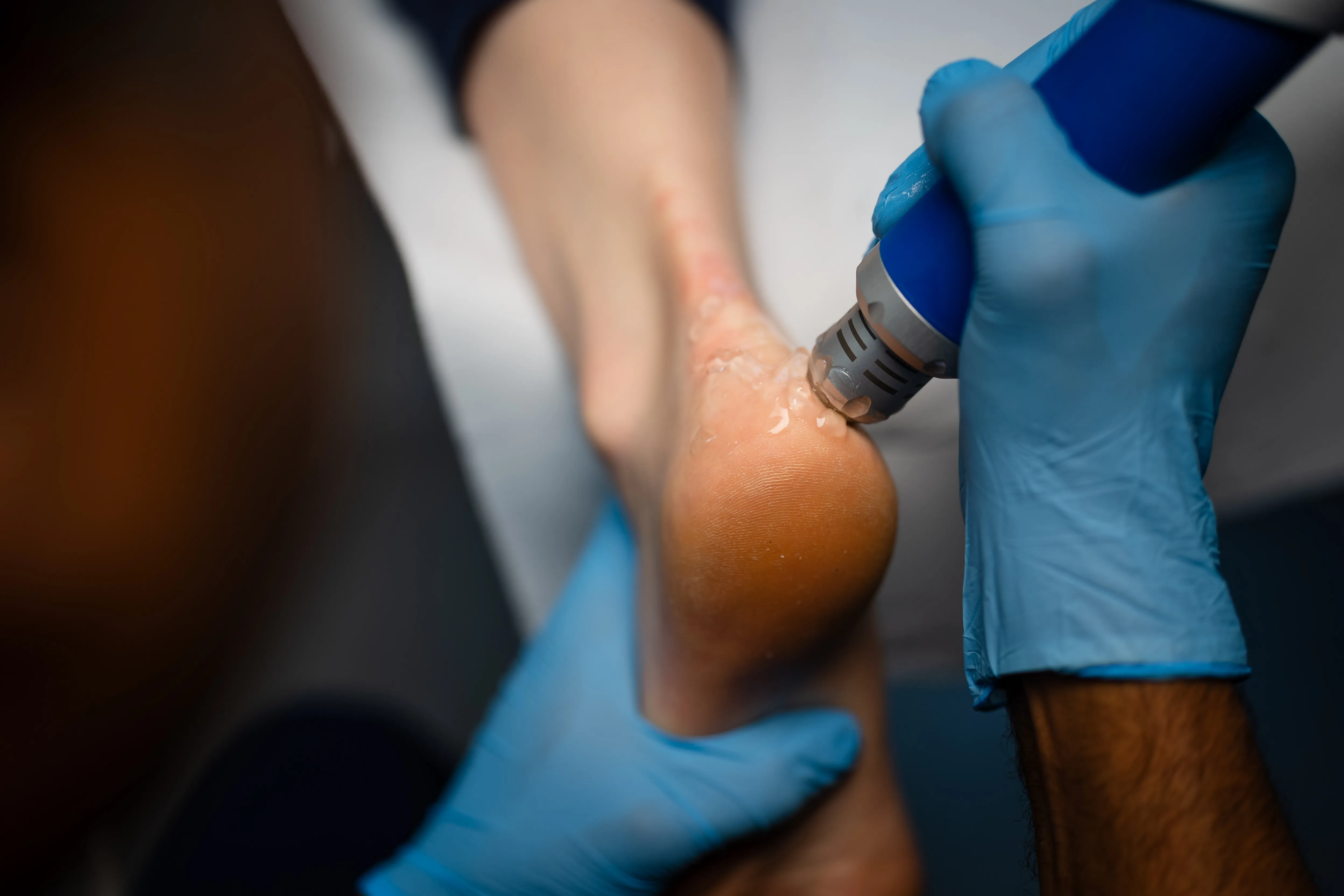
2. Shockwave Therapy
This non-invasive treatment uses acoustic sound waves to stimulate tissue healing and reduce pain. Effective for chronic conditions like Achilles tendinopathy or insertional ankle pain.
3. Low-Level Laser Therapy (LLLT)
LLLT uses targeted light therapy to reduce inflammation, accelerate healing, and promote soft tissue repair. It’s a gentle, pain-free option for both acute injuries and long-standing ankle issues.
4. Rehabilitation Exercises
We provide a tailored program of stretching, strengthening, and mobility exercises to stabilise the ankle joint, improve balance, and prevent future injuries.
5. Footwear Advice
Wearing the right shoes is critical. We guide you in choosing supportive, activity-appropriate footwear to protect your ankle during recovery and everyday life.
Referral to Orthopaedic Specialists
In severe or persistent cases, we collaborate with trusted orthopaedic consultants for advanced imaging, joint injections, or surgical intervention if necessary.
Why Choose Flawless Feet?
Don’t let ankle pain limit your mobility or affect your quality of life. Book a comprehensive biomechanical assessment at one of our London clinics and start your journey to recovery.
-
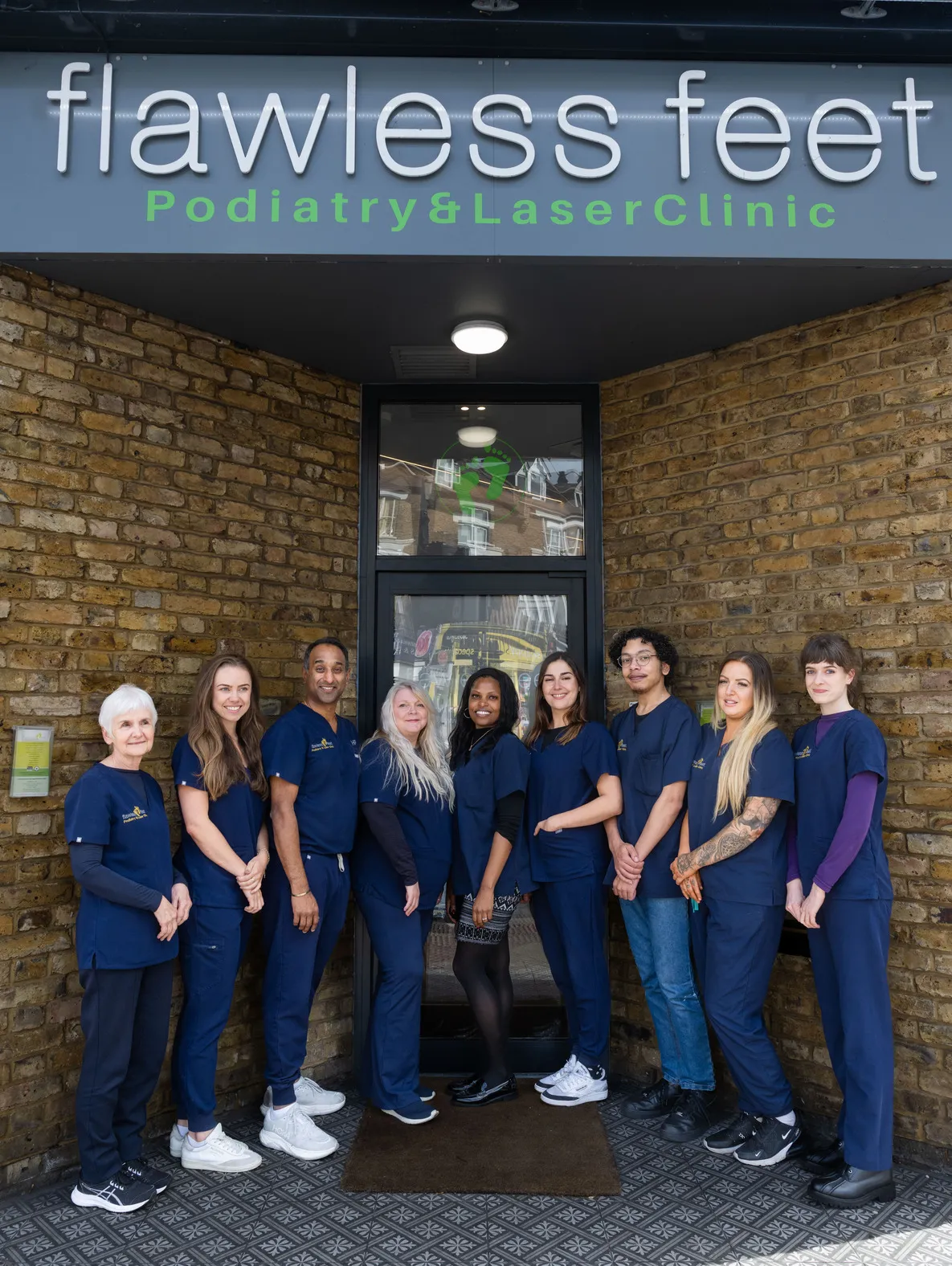
Trusted Podiatry and Chiropodists in London with decades of experience
-
Multiple clinic locations for convenient appointments
- Latest technology: Shockwave, Laser Therapy, and Custom Orthotics
-
Personalised care for athletes, seniors, and everyone in between
- We treat the cause—not just the symptoms


Frequently Asked Questions
Book Your Podiatrist in London
Book your treatment at Flawless Feet Podiatry & Laser Clinic in London and experience expert care designed to relieve discomfort, restore movement, and get you back on your feet, comfortably.
Contact Flawless Feet
Customer Testimonials