

Ingrown Toenail (Onychocryptosis) – Symptoms, Causes & Diagnosis
Trusted Podiatry and Chiropodists in London, we’re here to help you understand the condition clearly and confidently.
An ingrown toenail happens when the nail edge grows into the surrounding skin, causing pain, inflammation, and sometimes infection. These painful nail conditions can lead to nail health complications if left untreated. If you’re dealing with an ingrown toenail in London, understanding the causes, warning signs, and your options can help you act early and avoid complications.
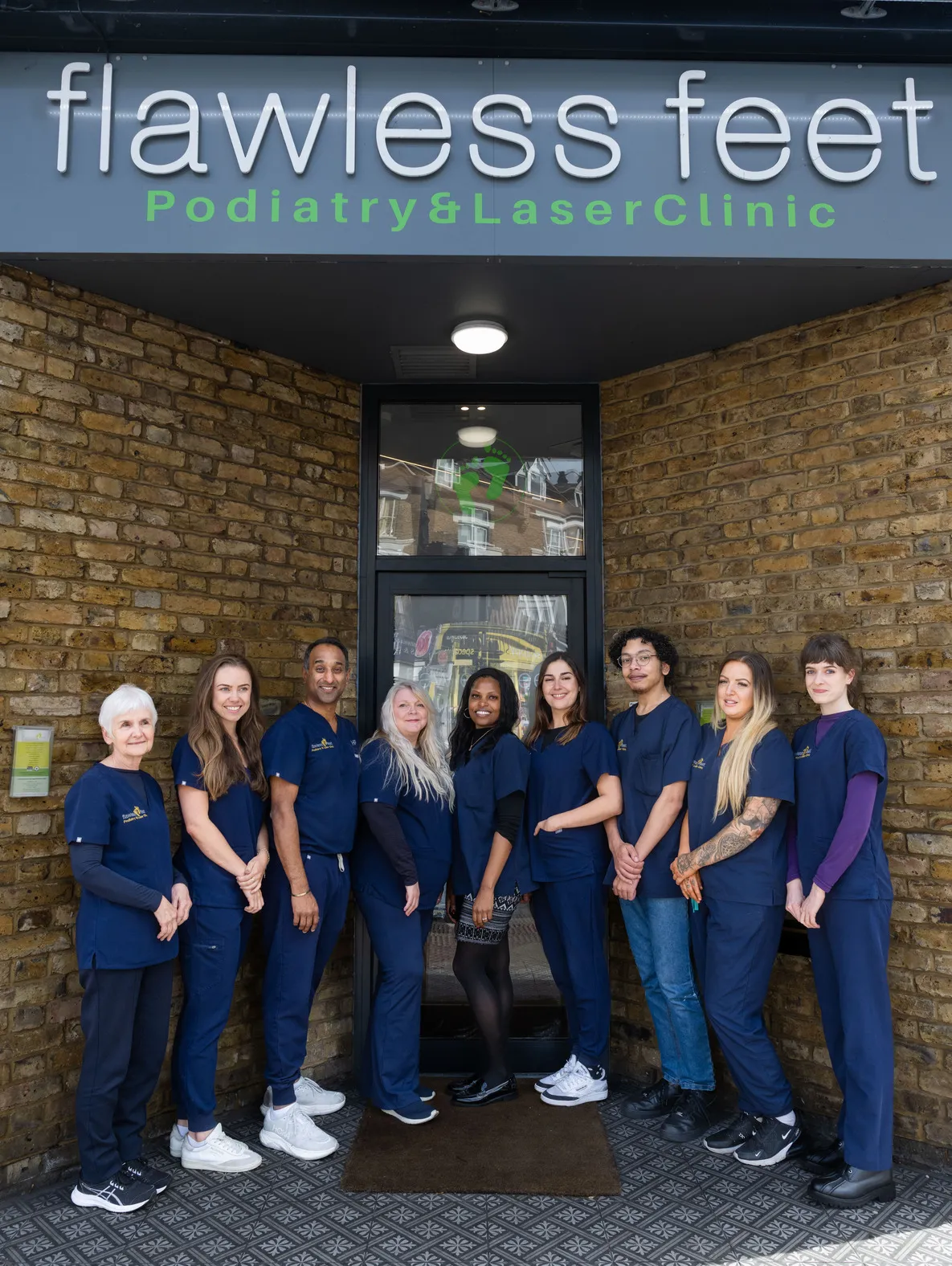
At Flawless Feet Podiatry & Laser Clinic (Sydenham, Croydon, Covent Garden), our role on a condition page is to educate—what an ingrown toenail is, why it occurs, and how it’s diagnosed—so you can make informed choices about next steps.
Key Takeaways
-
An ingrown toenail occurs when the nail penetrates/scrapes the skin beside it, triggering inflammation or infection.
-
Common triggers include nail-cutting technique, tight footwear, trauma, and natural nail shape.
-
Early recognition (tenderness, redness, swelling) prevents escalation to infection or chronic changes.
-
Diagnosis is clinical; severity and chronicity guide whether conservative care or a minor procedure is appropriate.
- Seek timely assessment if pain persists, there’s pus, or you have diabetes/vascular disease.
What Is an Ingrown Toenail?
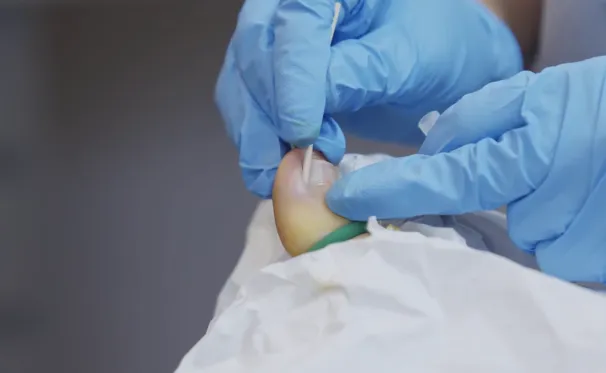
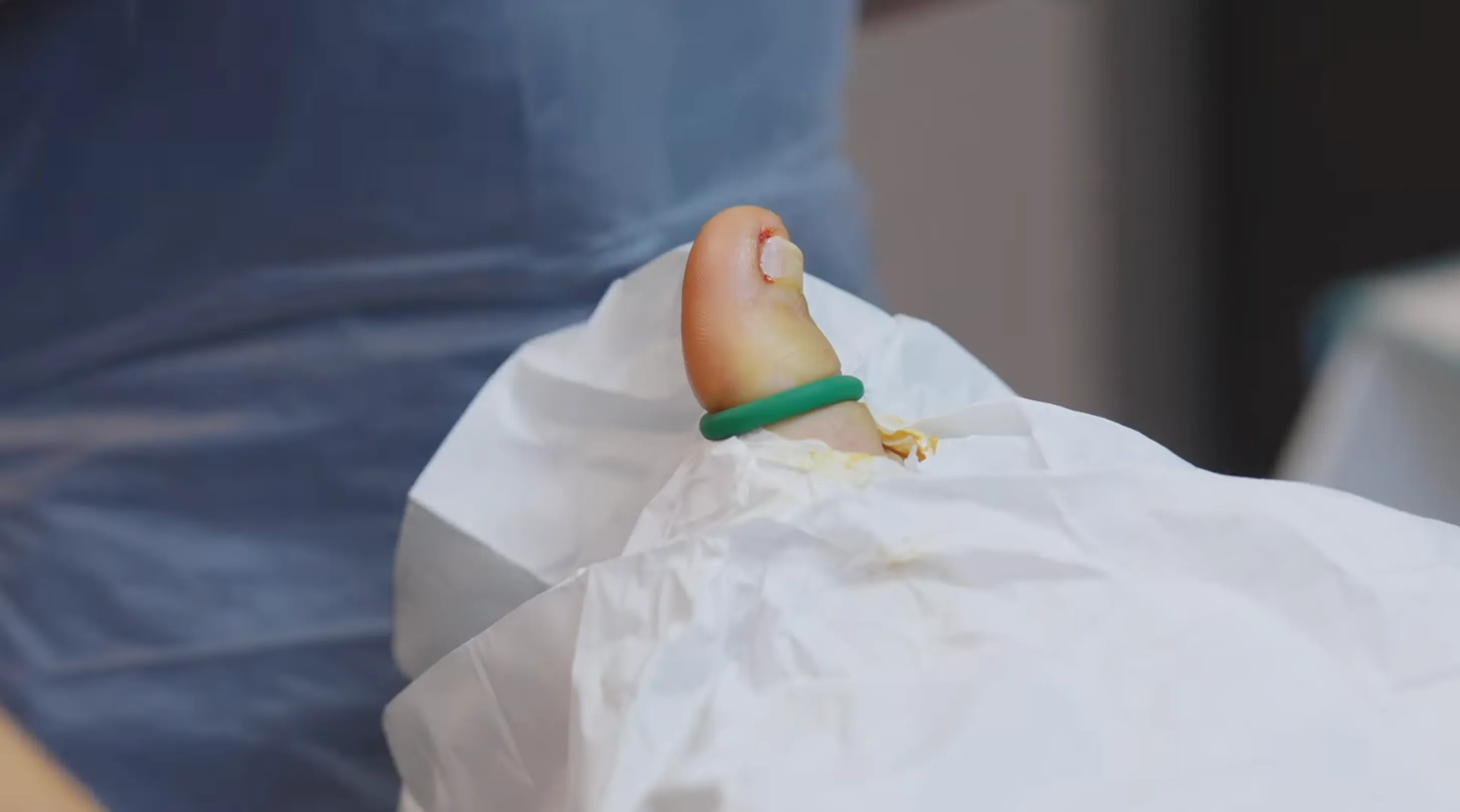
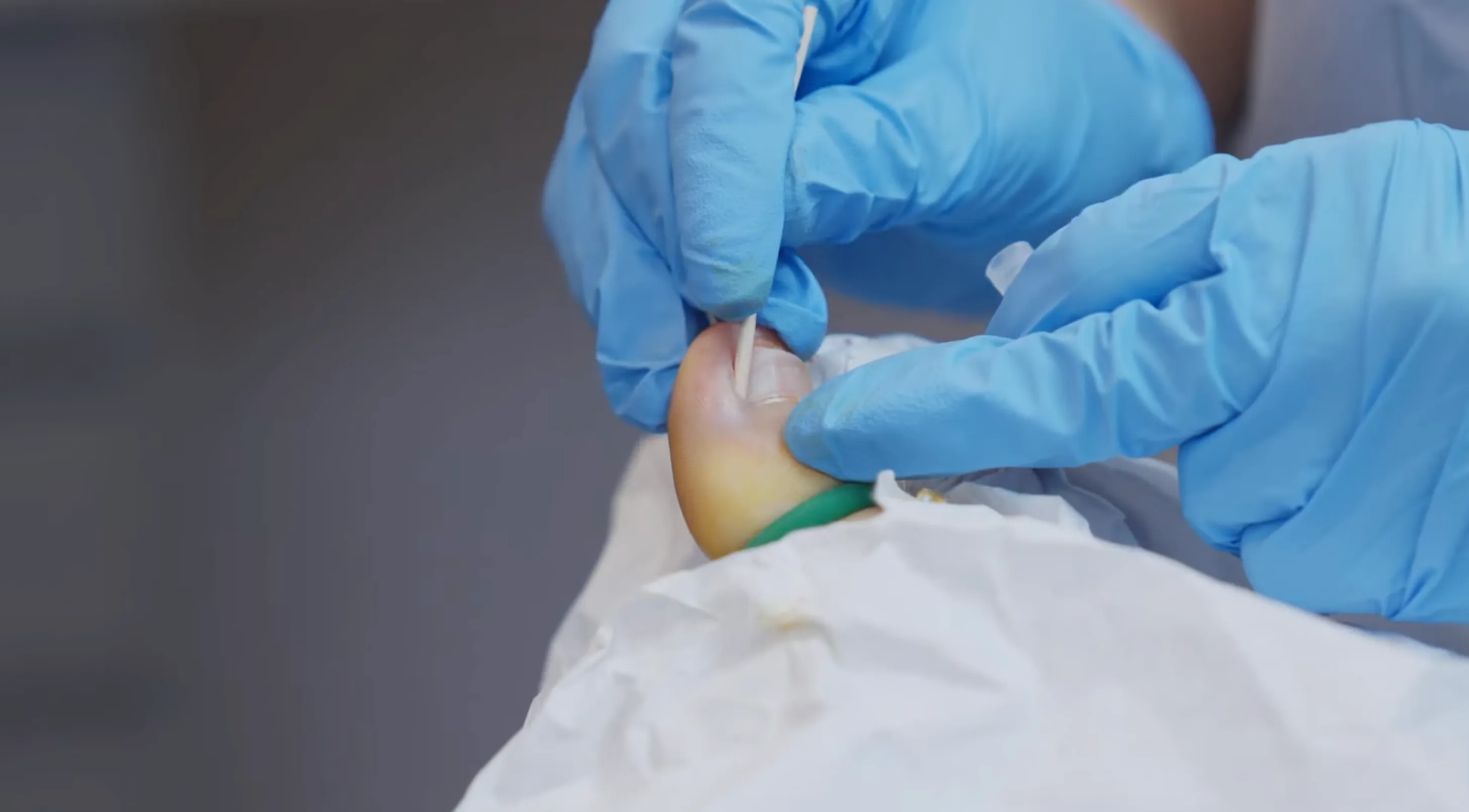
Onychocryptosis is the medical term for an ingrown toenail—most often involving the big toe. The nail edge (or a tiny spicule) presses into or pierces the adjacent skin fold. This leads to local irritation, swelling, and, if bacteria enter, infection.
Types of Ingrown Toenails
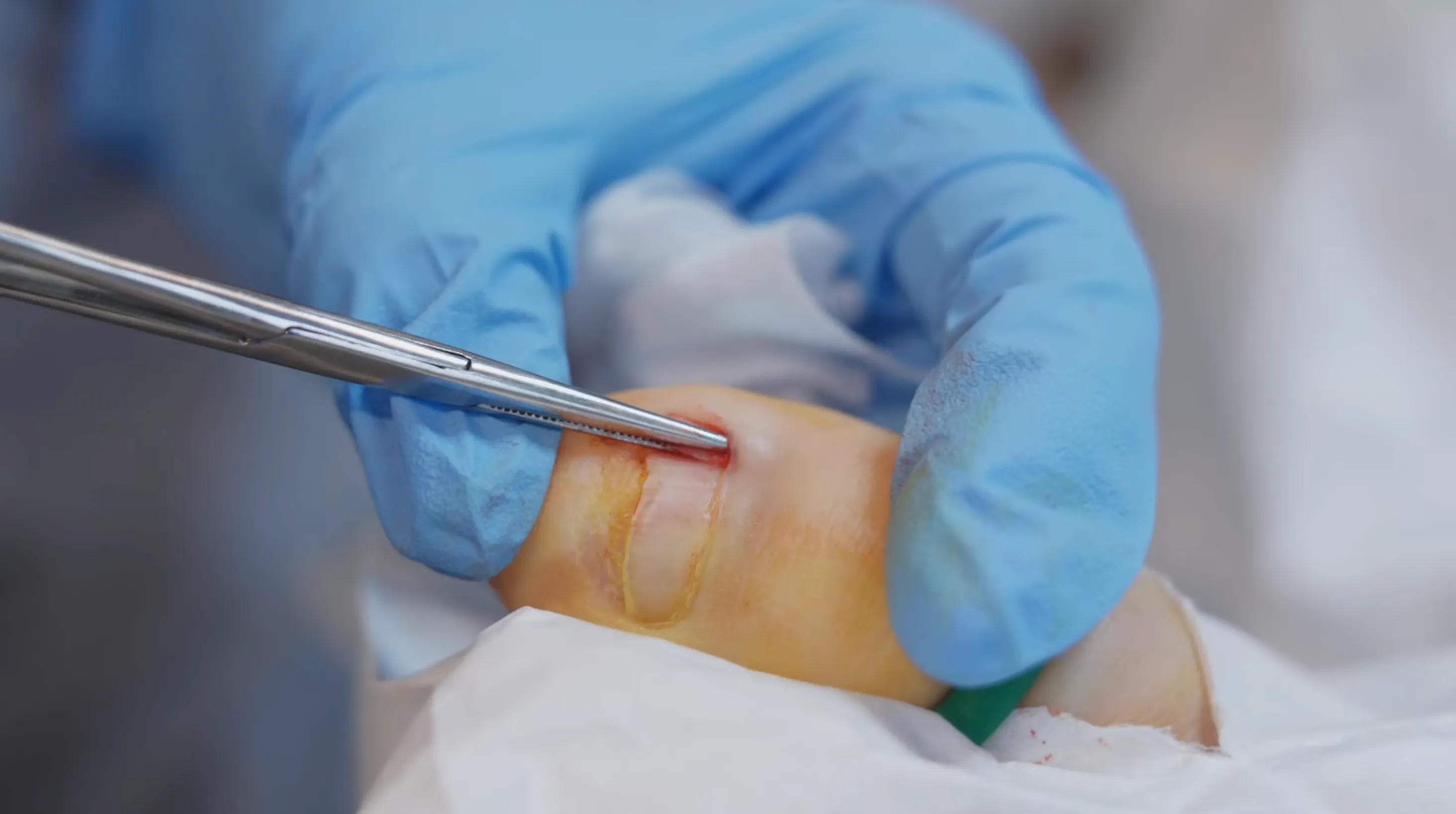
- Acute ingrown toenail: The nail edge pierces the skin, causing sharp pain, redness, swelling, and possible discharge.
- Chronic ingrown toenail: Long-standing irritation can cause the nail to thicken/curve (involution) and the skin to become hypertrophic, so even light pressure from socks/shoes hurts.
Common Symptoms
- Pain or tenderness along one or both sides of the nail
- Redness, warmth, or swelling of the surrounding skin
- Clear or yellow discharge; pus and increased pain may indicate infection
- Overgrowth of skin (granulation tissue) in chronic cases
- Difficulty wearing shoes or participating in sports/work
Causes & Risk Factors
- Incorrect nail cutting (too short, rounded corners)
- Footwear pressure (tight toe boxes, restrictive hosiery)
- Trauma (stubbing, dropped objects, repetitive sport stress)
- Genetics/nail shape (curved or involuted nails)
- Age-related nail changes (thickening, deformity)
- Toe and foot posture (bunions, hammertoes, high arches)
- Medical considerations (diabetes, poor circulation, immunosuppression)
Possible Complications if Ignored
- Local infection (paronychia) and abscess formation
- Spreading infection to surrounding tissues
- Persistent pain, skin overgrowth, and nail deformity
- Activity limitations and recurrent episodes
When to See a Podiatrist in London
Book an assessment if:
-
Pain persists beyond a few days or keeps recurring
-
You notice pus, increasing redness, or throbbing pain
- You have diabetes, peripheral vascular disease, or immune compromise
- The nail has visibly grown into the skin or home care hasn’t helped
Podiatry and Chiropodists in London can provide an accurate diagnosis and discuss the least invasive, most appropriate options for your situation.
How an Ingrown Toenail Is Diagnosed?
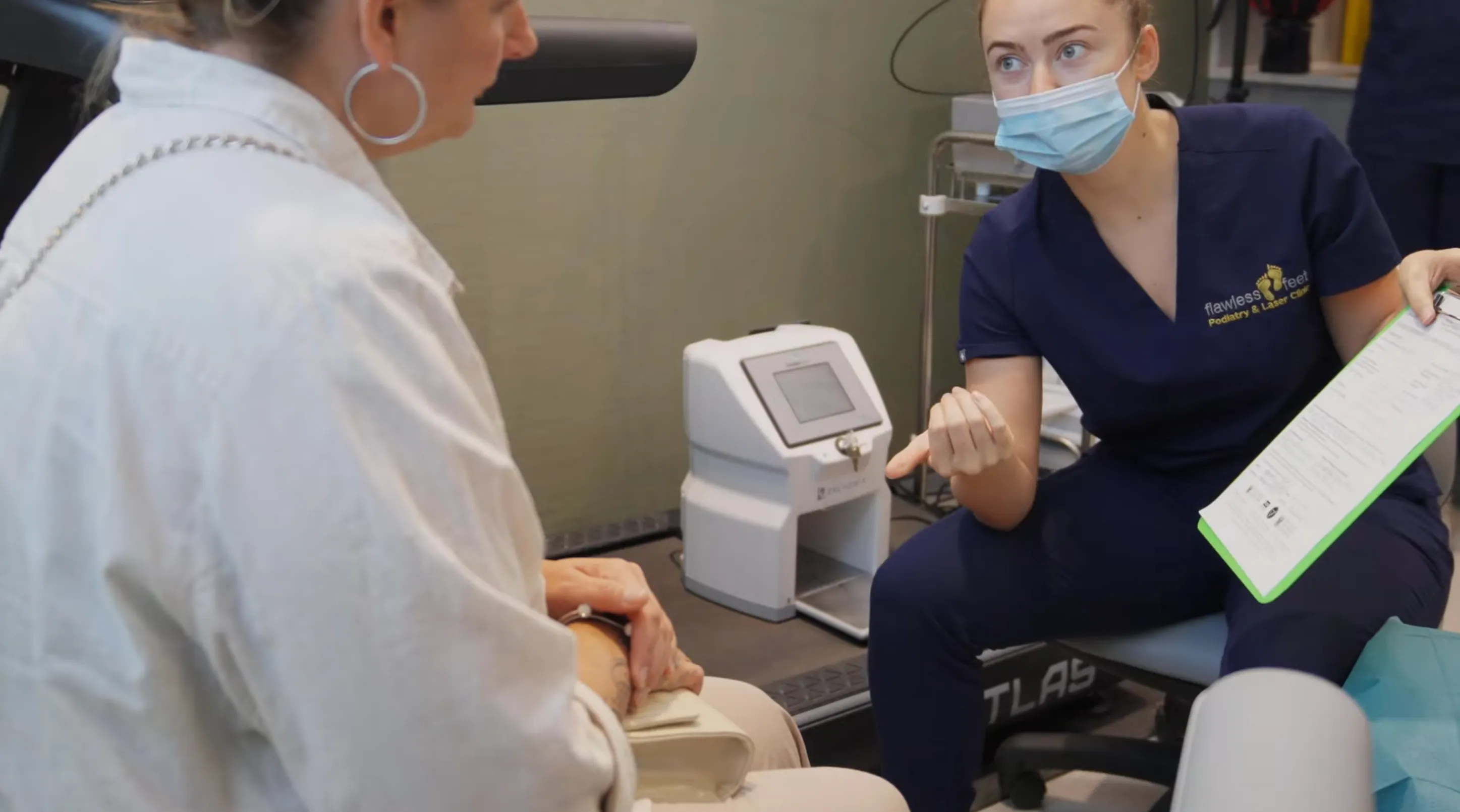
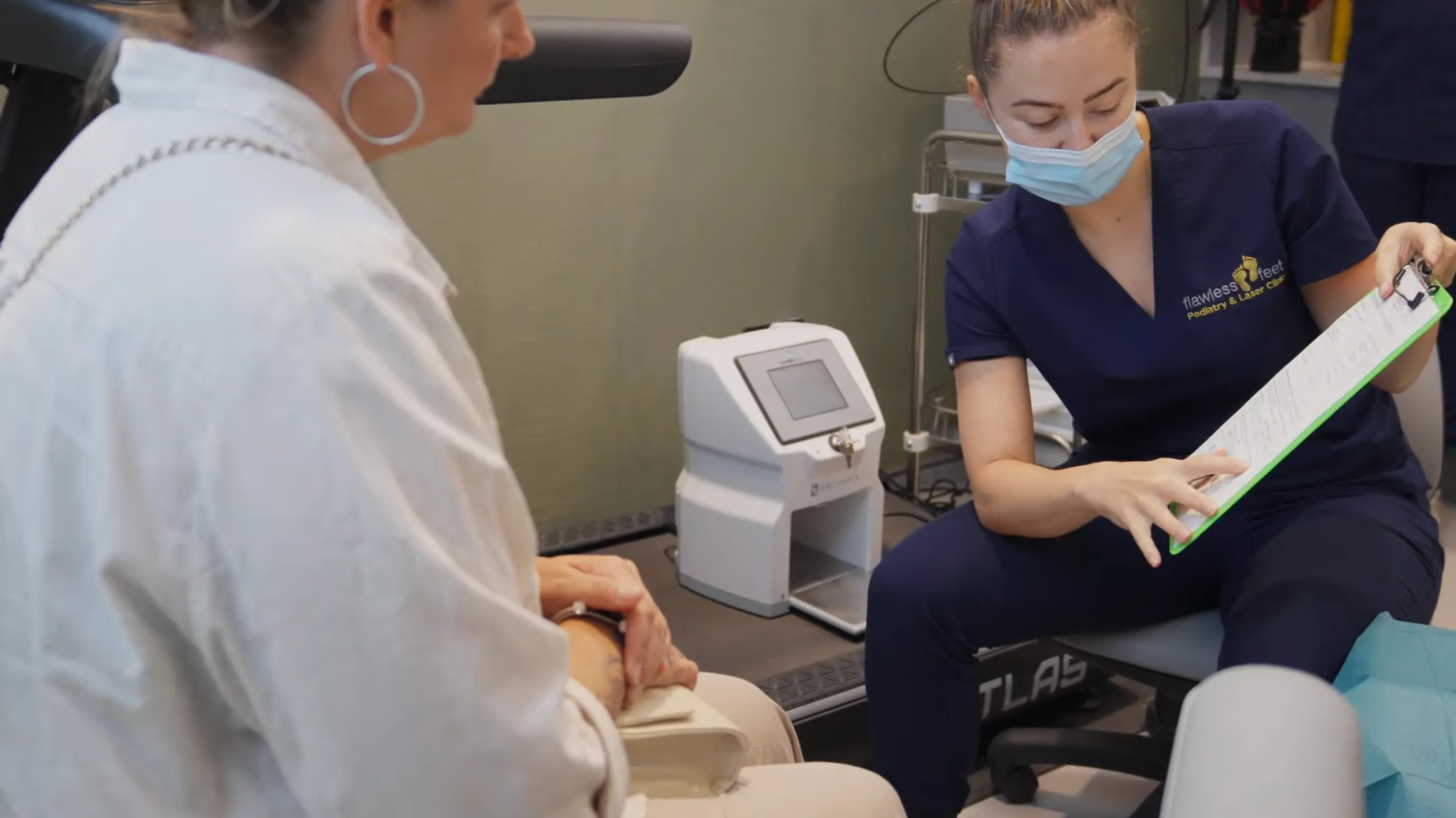
At Flawless Feet Podiatry & Laser Clinic, diagnosis is clinical and includes:
-
Medical history (onset, prior episodes, medical conditions)
-
Nail and skin inspection for spicules, swelling, infection, or granulation tissue
-
Footwear review and gait/posture checks that may contribute to pressure
- Staging the condition (acute vs. chronic; mild, moderate, severe) to guide next steps
Note: Imaging is rarely required unless another nail/skin issue is suspected.
Self-Care Do’s & Don’ts (Before Your Appointment)
Do
- Keep the toe clean and dry; consider saline soaks to gently cleanse.
- Wear wide, comfortable footwear to reduce pressure.
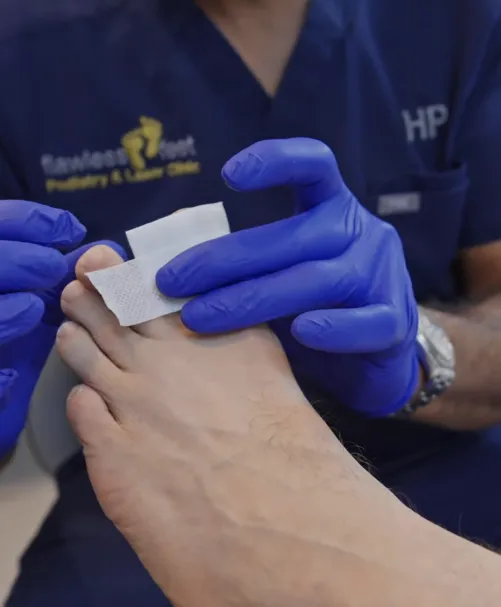
- If advised by a clinician, use a sterile dressing to protect the area.
Don’t
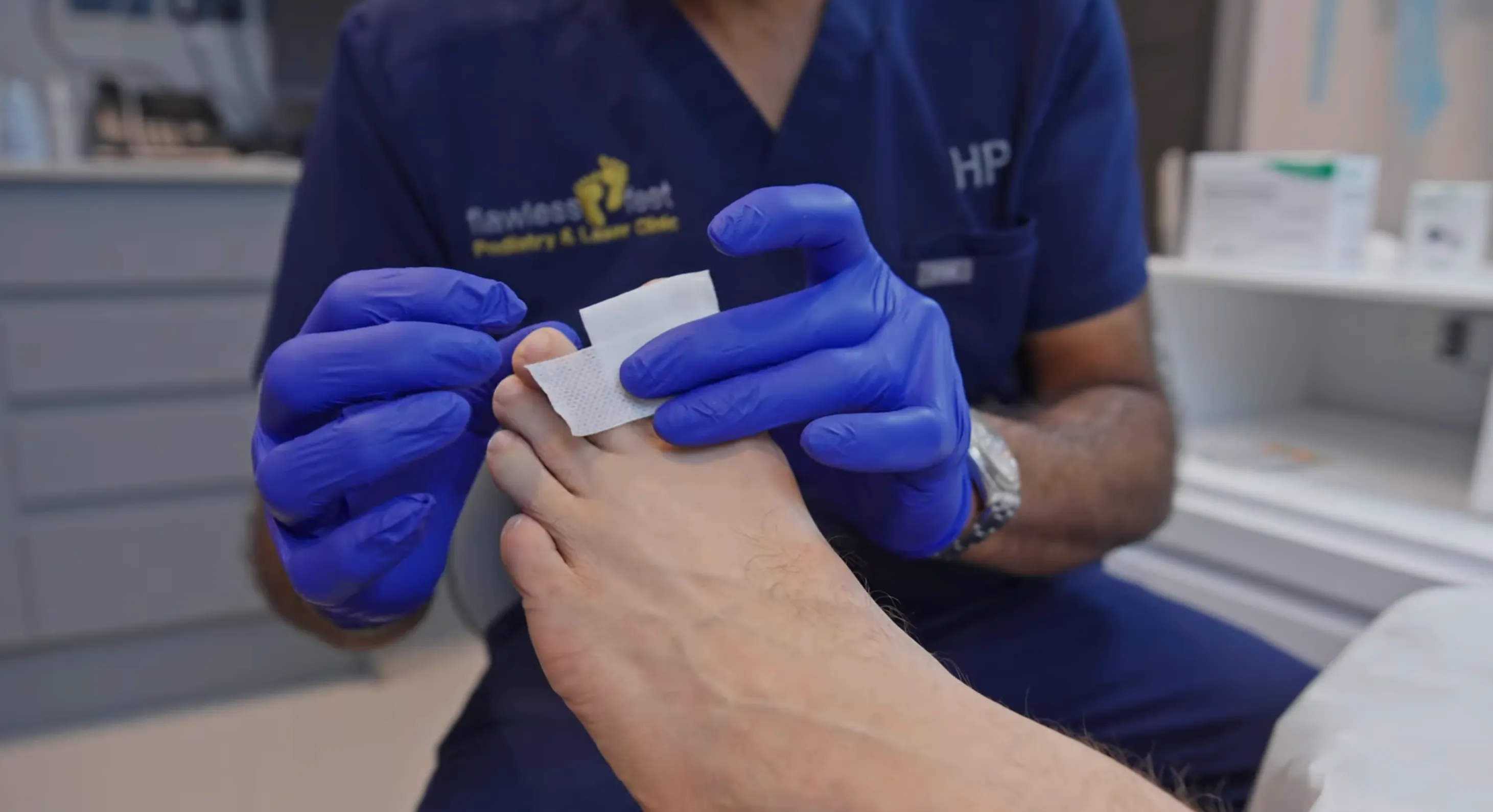
- Don’t dig at the nail or attempt “bathroom surgery.”
- Don’t round the corners excessively or cut the nail too short.
- Don’t ignore signs of infection (worsening pain, spreading redness, fever).
Frequently Asked Questions
It can progress to infection and ongoing pain. Early assessment reduces the chance of complications and repeat episodes.
Mild irritation may settle with footwear changes and careful hygiene, but avoid cutting the nail edge yourself. If pain persists or there’s discharge, see a podiatrist.
Not necessarily. Many first-time or mild cases improve with conservative care. Procedures are discussed for recurrent, infected, or chronic presentations.
Promptly—especially if you have diabetes or poor circulation. Pus often indicates infection that needs professional care.
Cut nails straight across (not too short), wear roomy shoes, and address foot posture issues. Your podiatrist can personalise prevention advice.
Book Your Podiatrist in London
Book your treatment at Flawless Feet Podiatry & Laser Clinic in London and experience expert care designed to relieve discomfort, restore movement, and get you back on your feet, comfortably.
Customer Testimonials