
Knee Pain Linked to Your Feet: Causes & Podiatry Treatment
Knee Pain Treatment at a Glance
- Whole-body assessment: we examine foot posture, gait, ankle and hip mechanics — not just the knee.
- Common causes: overpronation, unsupportive footwear, excess weight, pregnancy and sudden increases in activity.
- Treatments we offer: biomechanical assessment, custom orthotics, shockwave therapy, mobilisation, footwear prescription and strength plans.
- Recovery outlook: most patients improve significantly once the underlying mechanical cause is identified and addressed.
- When to seek help: pain that persists beyond a few weeks, swelling, limping, or pain affecting daily activities.
Source: NHS — Knee pain
Trusted Podiatry and Chiropodists in London for Knee & Lower Limb Care
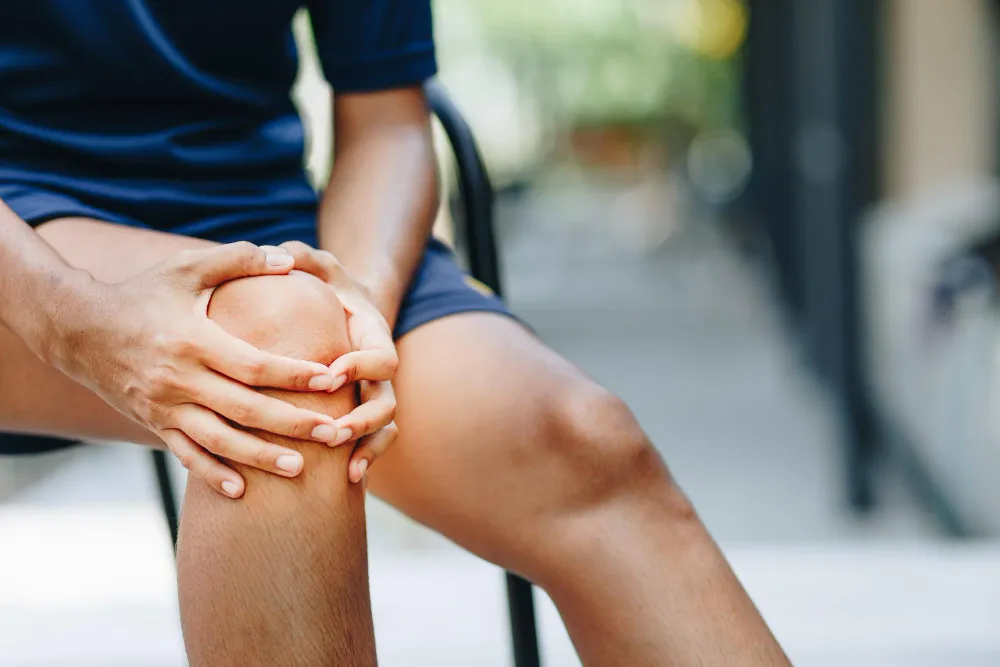
Knee pain is one of the most common complaints we treat at Flawless Feet Podiatry & Laser Clinic — and one of the most commonly misdiagnosed. For many people, the ache around the kneecap, the pain on the outside of the knee, or the knee that grumbles after a long walk doesn't actually start in the knee at all. It starts at your feet. When foot posture and gait mechanics are out of alignment, every step sends uneven load up into the knee joint — and that's exactly the kind of knee pain a podiatrist is uniquely placed to fix.
At our podiatry clinics in London, we take a whole-body approach to diagnosing and treating knee pain—because the foot, ankle, knee, and hip are all interconnected. Our experienced podiatrists combine in-depth biomechanical assessments to identify lower limb biomechanical causes and gait-related joint pain with innovative treatment techniques to help you return to comfortable, confident movement.
Knee Pain That Starts at Your Feet
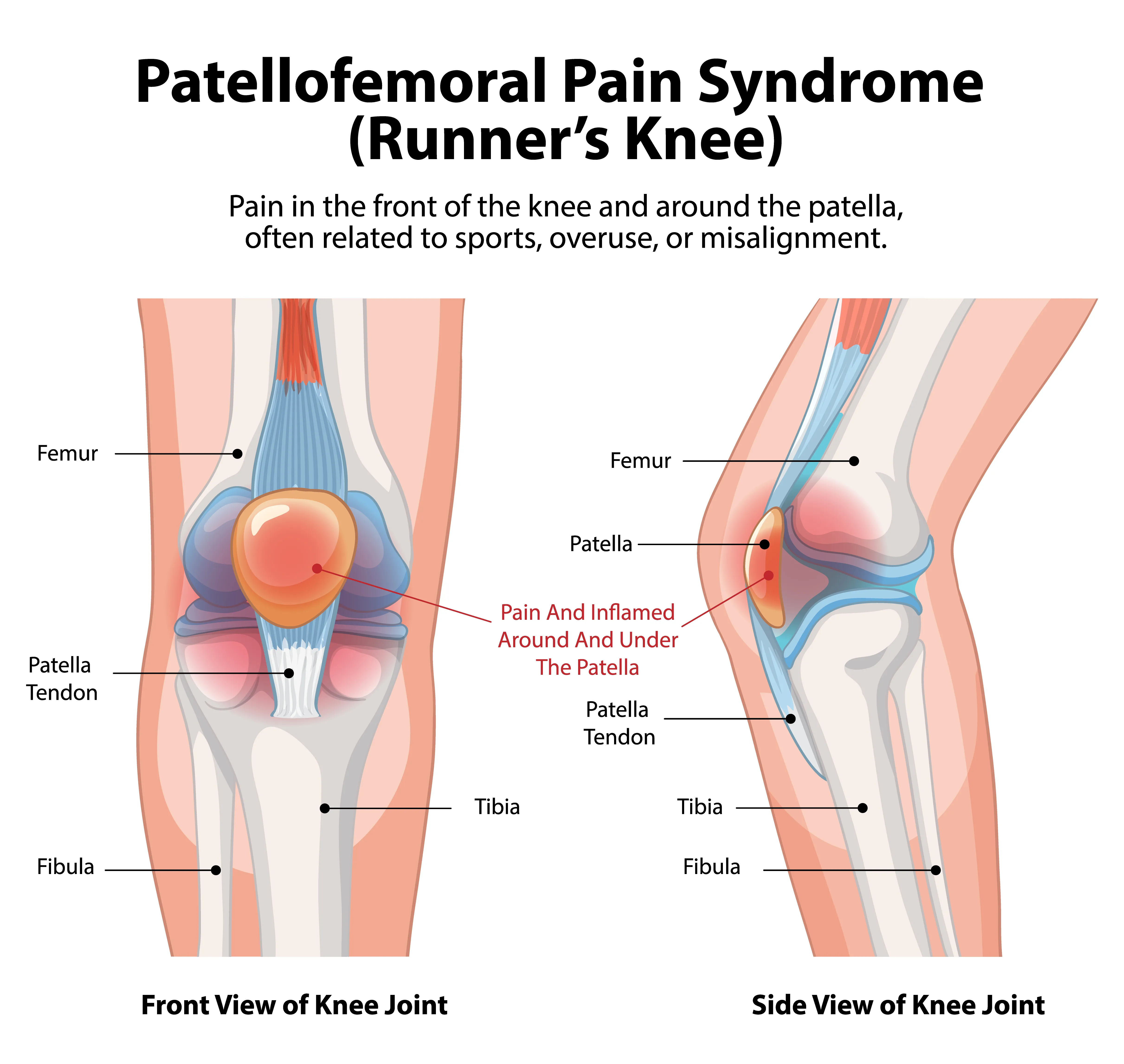
Most of the knee pain we see at Flawless Feet doesn't begin in the knee — it begins at your feet. When your feet roll inwards (over-pronate) or your arches flatten, the lower leg rotates with every step and the kneecap is pulled off its natural tracking line, loading tissues that were never designed to take that strain. Correct the mechanics at ground level, and the knee usually settles.
Knee problems a podiatrist can help with
- Runner's knee — pain around or behind the kneecap (patellofemoral pain), often worse when running, on stairs or after sitting.
- Iliotibial band (ITB) pain — aching on the outside of the knee, common in runners and cyclists.
- Knee pain with flat feet or feet that roll in (over-pronation) — see our flat foot page.
- Knee osteoarthritis — supportive footwear and prescription insoles can reduce load on the joint as part of a wider plan. Read our guide to orthotics for knee arthritis.
Usually not a podiatry problem
Some knee problems need a different kind of expert — and going to the right place first saves you time:
- Sudden twisting injuries — possible ligament or meniscus damage.
- Knee locking or giving way — the joint may be mechanically unstable.
For these, please see a GP, physiotherapist or A&E rather than a podiatrist. Not sure which category your knee pain falls into? Call us on 020 3713 8361 and we'll point you in the right direction.
Red flags — seek urgent care now
Go to A&E or an urgent treatment centre if you have any of the following:
- You can't put weight on your leg after an injury, or you heard a "pop" at the moment of injury.
- The knee is hot, red and very swollen, or you have a fever alongside the knee pain.
- The knee locks or keeps giving way.
- There's an obvious deformity or severe pain.
If you're not sure whether your symptoms are an emergency, call NHS 111 for urgent advice — in an emergency, call 999.
Why Am I Experiencing Knee Pain?
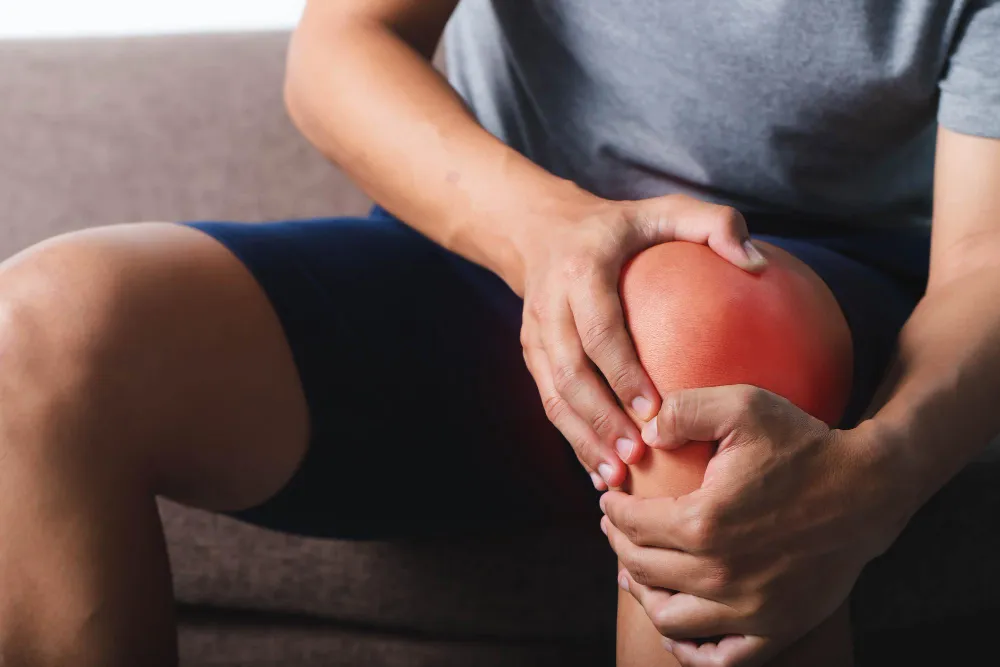
The knee joint is a complex structure that supports your body’s weight during walking, climbing, running, and even standing still. When any part of this joint—ligaments, tendons, cartilage, or bone—is stressed or injured, pain can occur. Often, knee pain is caused by repetitive movement, poor alignment of the feet or hips, or changes in the body's ability to adapt (such as during pregnancy or weight gain).
In London, many of our patients are active individuals—runners, weekend hikers, gym-goers, and parents chasing after kids. We also see office workers with sedentary jobs and poor posture. Whether your knee pain is sudden or has developed over time, we’re here to help.
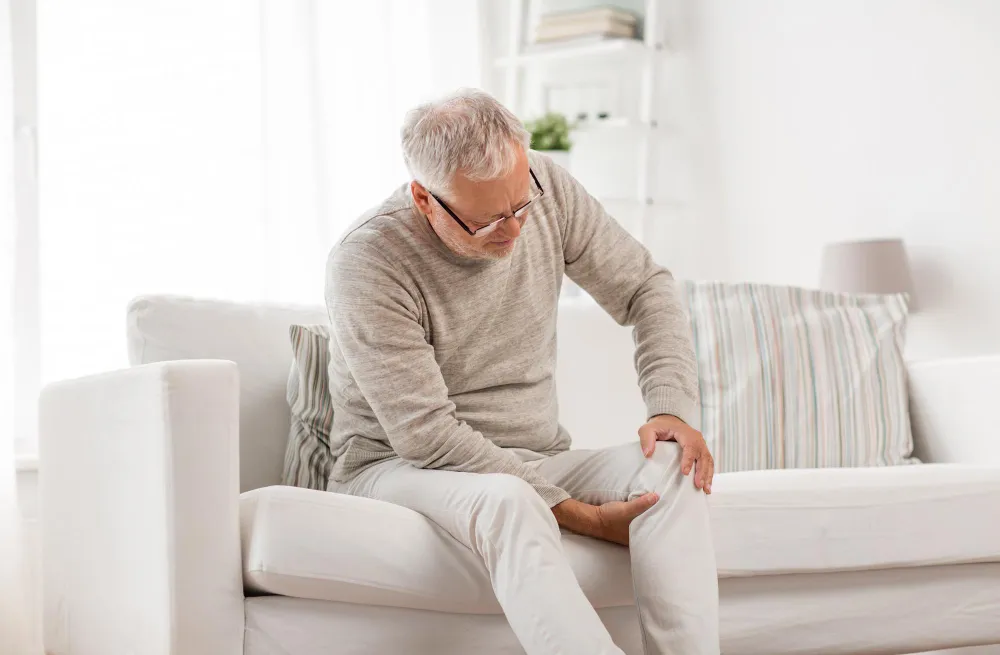
Common Symptoms of Knee Pain
If you're experiencing any of the following, it’s time to get assessed:
-
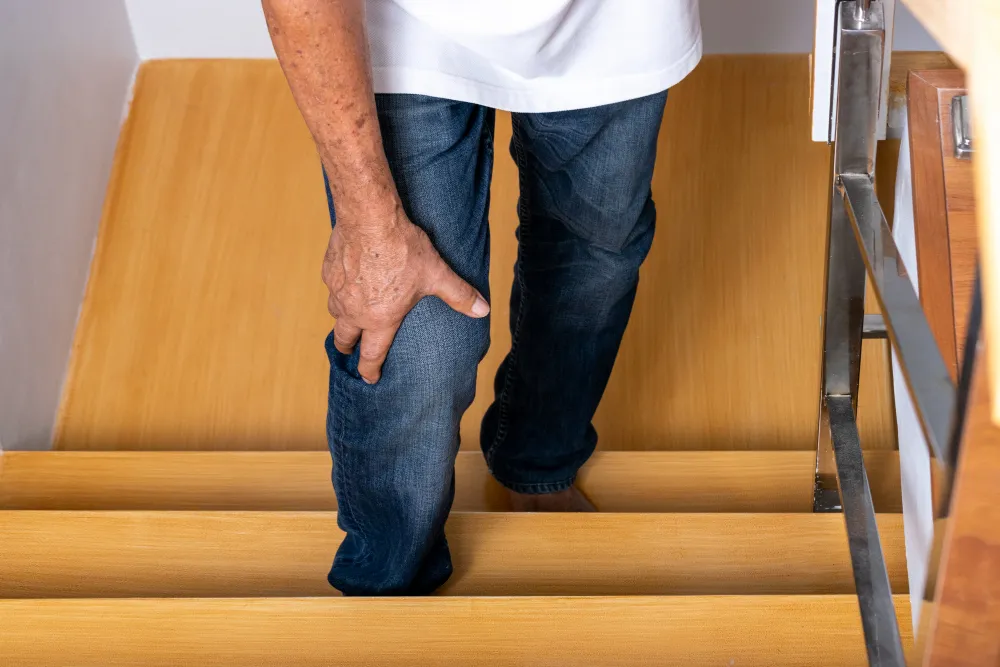
Pain when climbing stairs or getting up from a chair
-
Dull, persistent aching in the front or sides of the knee
-
Sharp shooting pain into the thigh or calf
-
Mild swelling or redness around the joint
-
Limping or altered walking pattern
-
Stiffness or a feeling of tightness after rest
- Calf muscles that tighten quickly after minimal stretching
These symptoms can range from mildly inconvenient to severely limiting—but with the right diagnosis and treatment, improvement is entirely possible.
Common Causes and Risk Factors
Several factors can contribute to or worsen knee pain:
-
Overpronation: When your feet roll inward excessively, it misaligns the leg and knee joint.
-
Unsupportive footwear: Lack of proper cushioning or arch support can stress the knee.
-
Excess weight: Increases strain on joints with every step.
-
Pregnancy: Hormonal changes and weight gain during the third trimester can increase instability.
-
Ageing: As we age, ligaments tighten, cartilage wears down, and muscle support weakens.
-
Sudden increase in physical activity: Starting a new sport or increasing intensity too quickly.
- Previous injuries or surgeries: Scar tissue or altered gait patterns can lead to new discomfort.
At Flawless Feet, we use advanced gait and movement analysis to identify the root cause of your knee pain—not just treat the symptoms.
Our Knee Pain Treatments in London
Our holistic approach means every treatment plan is tailored to you—whether you’re training for a marathon, recovering from a sports injury, or trying to move better as you age.
1. Biomechanical Assessment — £170
We assess foot alignment, posture, gait, and muscular imbalances to understand how your lower limb mechanics may be contributing to knee stress.
2. Custom Orthotics — from £350
Prescription orthotics (shoe inserts) help improve alignment, offload pressure on the knee, and reduce pain caused by poor foot posture. Your orthotics are custom-made following your assessment; prices start from £350.
3. Shockwave Therapy
This non-invasive treatment uses high-energy sound waves to stimulate healing in painful soft tissue, particularly for chronic conditions like patellar tendinopathy.
4. Mobilisation and Stretching
Manual therapies combined with tailored stretching routines can increase mobility in stiff joints and loosen tight muscles affecting the knee.
5. Footwear Prescription
We recommend supportive footwear for daily use and physical activities, reducing mechanical strain on the knees.
6. Exercise and Strength Plans
A key part of long-term knee health is muscle support. We create a personalised strengthening program focusing on the calves, quads, glutes, and hamstrings to better support joint function.
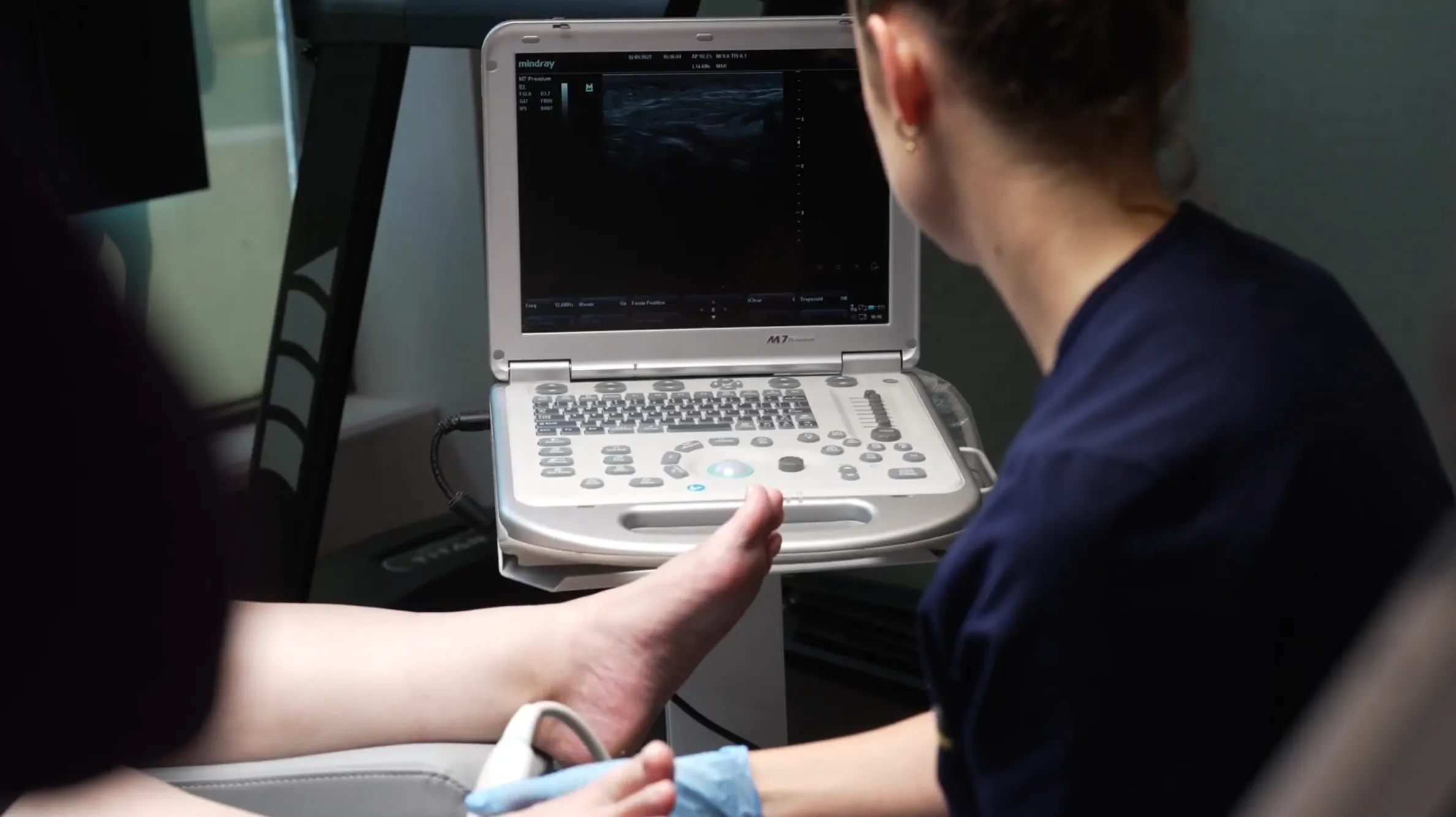
“I had three treatments with Millie after suffering knee pain for three years. I had received physiotherapy, acupuncture and osteopathic treatment, all of which helped but the pain and absence of the full range of motion persisted. Millie successfully treated my knee and after three sessions, assessed me as not requiring further treatment… I am happily pain-free now and the full range of mobility has been restored.”
Patient review shared with permission.
What the Evidence Says
We keep our advice grounded in clinical guidance and peer-reviewed research — not internet trivia:
-
Exercise therapy is a first-line, core treatment for knee osteoarthritis — for people of all ages, alongside weight management where relevant (NICE guideline NG226).
-
Foot orthoses can reduce pain in the short term for some people with patellofemoral pain — recommendations from the 5th International Patellofemoral Pain Research Retreat consensus statement (Collins et al., British Journal of Sports Medicine, 2018).
-
Recreational running is not associated with a higher rate of hip or knee osteoarthritis — a systematic review and meta-analysis found the opposite of the common myth, with sedentary non-runners showing similar (or higher) rates of knee OA (Alentorn-Geli et al., Journal of Orthopaedic & Sports Physical Therapy, 2017).
Visit Flawless Feet Podiatry & Laser Clinic in London
Knee pain doesn’t have to slow you down. Whether you’re an athlete, commuter, or weekend walker, the expert team at Flawless Feet Podiatry & Laser Clinic is here to help you move with confidence again.
📍 Locations:
-
Sydenham | 30 Sydenham Road, London SE26 5QF
-
Covent Garden | Jubilee Hall Gym, 30 The Piazza, WC2E 8BE
- Croydon | 197a Shirley Road, CR0 8SB
Our goal is simple: to help you move without pain and prevent future injury through proactive, whole-body care.
Frequently Asked Questions
Book Your Podiatrist in London
Book your treatment at Flawless Feet Podiatry & Laser Clinic in London and experience expert care designed to relieve discomfort, restore movement, and get you back on your feet, comfortably.
Contact Flawless Feet
Customer Testimonials