The Ultimate Guide to Healthy Feet: Tips from a Foot Care Clinic

Are you tired of dealing with foot pain and discomfort? Look no further! Welcome to the ultimate guide to healthy feet, where we share expert tips and insights from a leading foot care clinic, Flawless Feet Podiatry & Laser Clinic. Whether you're an athlete pushing your limits or someone who spends long hours on their feet, maintaining optimal foot health is crucial for overall well-being. In this comprehensive guide, we'll delve into the importance of foot care, common foot problems, and effective strategies to keep your feet healthy and pain-free. From choosing the right footwear to practicing proper hygiene and preventative measures, we've got you covered. Our team of foot care specialists have compiled their extensive knowledge and experience to provide you with the essential information you need to take care of your feet. Get ready to step towards a healthier and more comfortable future with our ultimate guide to healthy feet!
Reviewed October 2026 — updated with the latest evidence
This guide has been reviewed against current best practice and the latest research on foot health. All three of our London clinics — Covent Garden, Sydenham and Croydon — are open six days a week, including Saturdays at Sydenham. Not sure about a foot problem? Our HCPC-registered podiatrists can assess it properly and advise on the treatment with the best evidence behind it. Get in touch here.
Importance of Foot Health
Having healthy feet is not just about avoiding pain and discomfort; it is also crucial for maintaining overall well-being. Our feet are the foundation of our body, supporting our weight and allowing us to move freely. Neglecting foot health can lead to various issues such as foot deformities, infections, and even mobility problems. Taking care of your feet is a proactive approach to prevent these problems and ensure a pain-free and active lifestyle.
When we talk about foot health, it is essential to understand that our feet are complex structures composed of bones, muscles, ligaments, and tendons. Each part plays a vital role in maintaining balance, stability, and flexibility. Therefore, it is crucial to take measures to protect and strengthen our feet to prevent injuries and maintain overall foot health.
To maintain healthy feet, it is essential to be aware of common foot problems and their causes. By understanding the factors that contribute to foot issues, you can take preventive measures and address them before they escalate into more significant problems.
Common Foot Problems and Their Causes
1. Verruca: Verruca pedis are contagious skin lesions caused by the Human Papilloma Virus (HPV). The lesions themselves are often limited to the upper layers of the skin but with persistent infection can infiltrate deeper layers, resulting in increased discomfort. While warts can occur on many regions of the body, the ones that occur on the soles of the feet can become painful because of the pressure of standing and walking. What the latest evidence says: most verrucae clear on their own within about two years as the immune system responds, so "watchful waiting" is a legitimate option for painless verrucae. When treatment is wanted, salicylic acid preparations are the usual first line, and research (including the large EVerT trial) has found cryotherapy offers little advantage over diligent salicylic acid use for ordinary verrucae. See the NHS guidance on warts and verrucas.
2. Ingrown toenails: occur when the edge of the toenail grows into the surrounding skin, causing pain, redness, and swelling. They can be caused by improper nail trimming, tight footwear, or injury to the toenail.
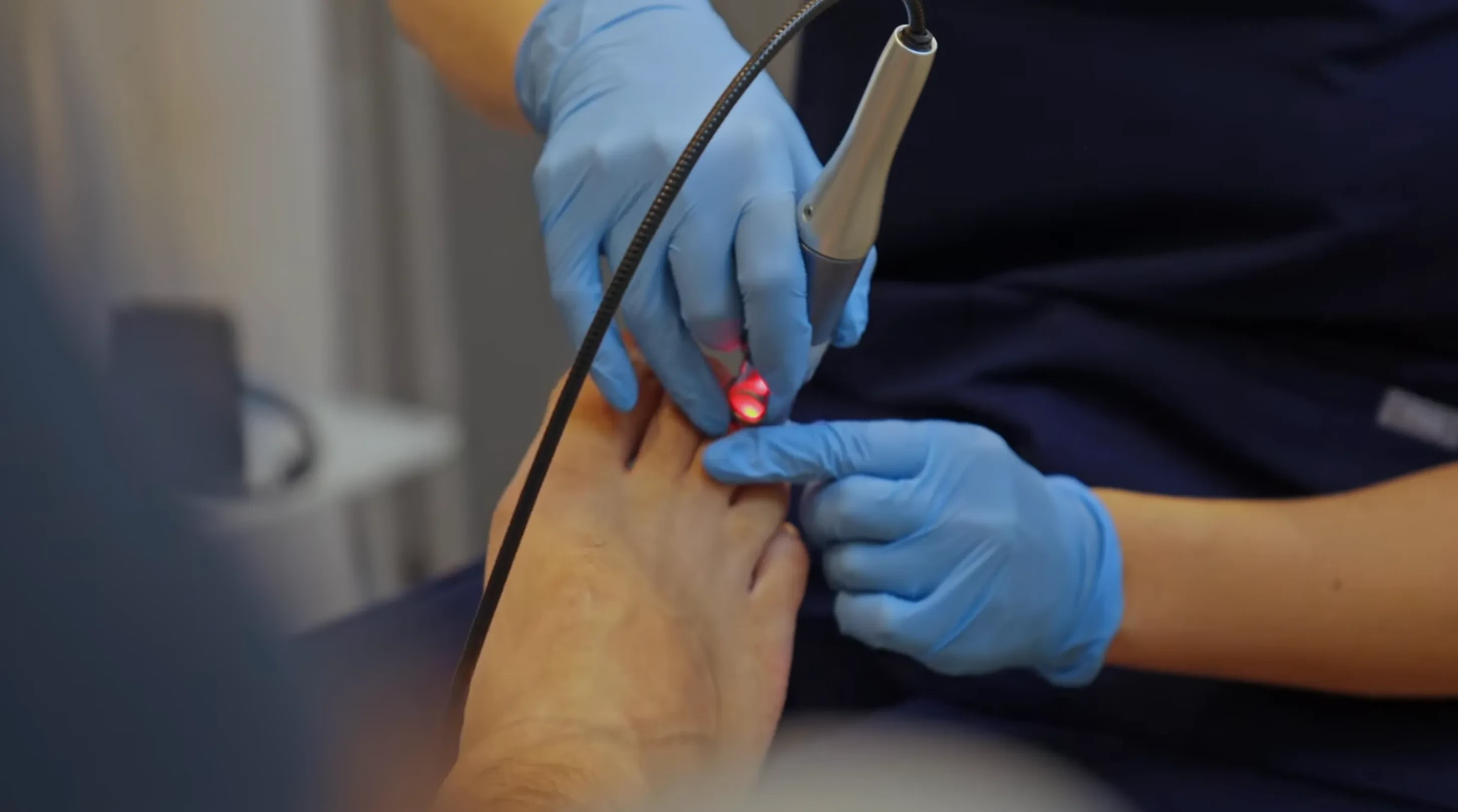
3. Nail fungus: is a progressive infection that damages the nail and needs to be treated effectively to avoid spreading. If your toenails have turned yellow, feel thicker or appear slightly deformed, they may be infected with fungus – clinically known as onychomycosis. What the latest evidence says: only around half of thickened, discoloured nails are actually fungal (other causes include trauma and skin conditions), so it's worth confirming the diagnosis with nail sampling before committing to lengthy treatment. Mild infections may respond to topical antifungal lacquers, while established infections are better treated with oral antifungals or laser therapy — both of which we offer at our clinics.
4. Bunions: are bony bumps that develop at the base of the big toe. They can be extremely painful and affect your ability to walk comfortably. What the latest evidence says: genetics and foot structure — not shoes — are the main drivers of bunion development, although tight or narrow footwear can aggravate symptoms and speed up the visible deformity. Supportive footwear, pads and orthoses can ease symptoms in mild cases, but surgery remains the only way to correct the underlying alignment if pain persists.
5. Plantar Fasciitis is a common condition characterised by pain in the plantar fascia, a band of tissue that runs along the bottom of the foot, typically felt as sharp heel pain with the first steps of the day. It is often linked to overuse, improper footwear, or high arches and flat feet. What the latest evidence says: the condition is now understood as degenerative change in the fascia ("fasciosis") rather than simple inflammation — which is why anti-inflammatory approaches alone often fall short. Most cases settle within a year, and the best-supported treatments are regular calf and plantar-fascia specific stretching plus progressive high-load strength training (slow, heavy heel raises). See the NHS guidance on plantar fasciitis.

Tips for Maintaining Healthy Feet
1. Choose the Right Footwear: The shoes you wear play a significant role in the health of your feet. Opt for shoes that provide proper arch support, cushioning, and enough room for your toes to move freely. Avoid high heels or shoes that squeeze or constrict your feet.
2. Practice Proper Hygiene: Keeping your feet clean and dry is crucial for preventing infections and foot odor. Wash your feet daily with mild soap and warm water, and make sure to dry them thoroughly, especially between the toes. Use a foot powder or antifungal spray to keep your feet dry and prevent fungal infections.
3. Trim Your Nails Carefully: Proper nail care is essential to prevent ingrown toenails. Trim your nails straight across, avoiding rounding the edges. Be careful not to cut them too short, as it can cause ingrown nails. If you have difficulty trimming your nails, consider visiting a foot care specialist for assistance.
These are just a few tips to get you started on the path to healthy feet. In the following sections, we will explore other essential aspects
of foot care, such as the impact of proper footwear, daily foot care routine, exercises and stretches for foot health, foot care for
athletes, and the importance of regular visits to a foot care clinic.

Proper Footwear and Its Impact on Foot Health
One of the most significant factors in maintaining healthy feet is wearing proper footwear. Ill-fitting shoes aggravate a range of foot problems, including corns, calluses, plantar fasciitis and bunion pain. Here are some key points to consider when choosing footwear:
1. Size Matters: Make sure your shoes fit properly. Avoid shoes that are too tight or too loose, as they can cause discomfort and foot conditions. Measure your feet regularly — foot size changes over time, and it's best measured at the end of the day when feet are at their largest. Allow a thumb's width between your longest toe and the end of the shoe, and favour a wide, deep toe box so your toes can splay naturally.
2. Arch Support: Look for shoes that provide adequate arch support. Proper arch support helps distribute your body weight evenly and reduces strain on your feet.
3. Cushioning: Choose shoes with sufficient cushioning to absorb shock and reduce pressure on your feet. This is especially important if you spend long hours on your feet or engage in high-impact activities.
Taking the time to find the right footwear can go a long way in preventing foot problems and ensuring your feet stay healthy and pain-free.
In addition to wearing proper shoes, establishing a daily foot care routine is essential.

Daily Foot Care Routine
A daily foot care routine can help keep your feet healthy and prevent common foot problems. Here are some simple steps you can incorporate into your daily routine:
1. Wash and Dry: Start by washing your feet with warm water and mild soap. Be thorough, ensuring you clean between your toes and around your nails. After washing, dry your feet thoroughly, paying attention to the spaces between your toes.
2. Moisturise: Apply a moisturising foot cream or lotion to keep your skin hydrated. Avoid applying lotion between your toes, as it can create a moist environment that promotes fungal growth. Urea-based creams (typically 10–25% urea) are well supported by research for dry, rough or cracked foot skin and are what we usually recommend in clinic.
3. Inspect Your Feet: Take a few minutes each day to inspect your feet for any changes, such as blisters, cuts, or redness. If you notice any abnormalities, consult a foot care specialist for proper diagnosis and treatment.
Incorporating these simple steps into your daily routine can help maintain the health and well-being of your feet. However, it is also
essential to strengthen and stretch your feet to improve their flexibility and prevent injuries.

Exercises and Stretches for Foot Health
Just like any other part of your body, your feet can benefit from regular exercise and stretching. Here are some exercises and stretches that can help promote foot health:
1. Toe Curls: Sit on a chair and place a towel on the floor in front of you. Using your toes, grip the towel and scrunch it towards you. Repeat this exercise for 10-15 repetitions.
2. Ankle Circles: Sit on the edge of a chair and extend one leg in front of you. Rotate your ankle in a circular motion, first clockwise and then counterclockwise. Repeat this exercise for 10-15 repetitions and then switch to the other foot.
3. Calf Stretch: Stand facing a wall and place your hands on the wall for support. Step one foot back and keep it straight, while bending your front knee slightly. Lean forward, feeling the stretch in your calf muscle. Hold for 20-30 seconds and then switch to the other leg.
These are just a few examples of exercises and stretches that can help improve foot strength and flexibility. Remember to start slowly and
gradually increase the intensity and duration of your exercises. Growing evidence suggests structured foot and ankle strengthening
programs can reduce injury risk and improve balance — and specific calf stretching has solid evidence behind it for plantar heel pain.
If you're an athlete or engage in regular physical activity, there are specific foot care considerations to keep in mind.

Foot Care for Athletes
Athletes put their feet through a lot of stress and strain, making proper foot care even more crucial. Here are some foot care tips specifically for athletes:
1. Choose Sports-Specific Footwear: Different sports require different types of footwear. Invest in shoes that are designed for the specific sport you participate in, as they provide the necessary support and protection.
2. Warm-Up and Cool Down: Before and after physical activity, take the time to warm up and cool down properly. This helps prepare your feet for the demands of exercise and prevents injuries.
3. Listen to Your Body: Pay attention to any signs of foot pain or discomfort. Pushing through the pain can lead to more severe injuries. If you experience persistent pain or notice any changes in your feet, seek professional advice from a foot care specialist.
In addition to these tips, athletes should also prioritise regular visits to a foot care clinic.

Importance of Regular Visits to a Foot Care Clinic
Regular visits to a foot care clinic are essential for maintaining optimal foot health. A foot care specialist can assess the condition of your feet, identify any potential issues, and provide appropriate treatment. Here are some reasons why regular foot care clinic visits are beneficial:
1. Early Detection: Regular check-ups can help identify foot problems at an early stage. Prompt treatment can prevent the problem from worsening and reduce the risk of complications. This is especially important if you have diabetes — annual foot checks are recommended, and our podiatrists carry out vascular and neurological assessments as part of routine care.
2. Professional Advice: Foot care specialists can provide valuable advice on foot care routines, footwear selection, and preventive measures. Their expertise can help you make informed decisions about your foot health.
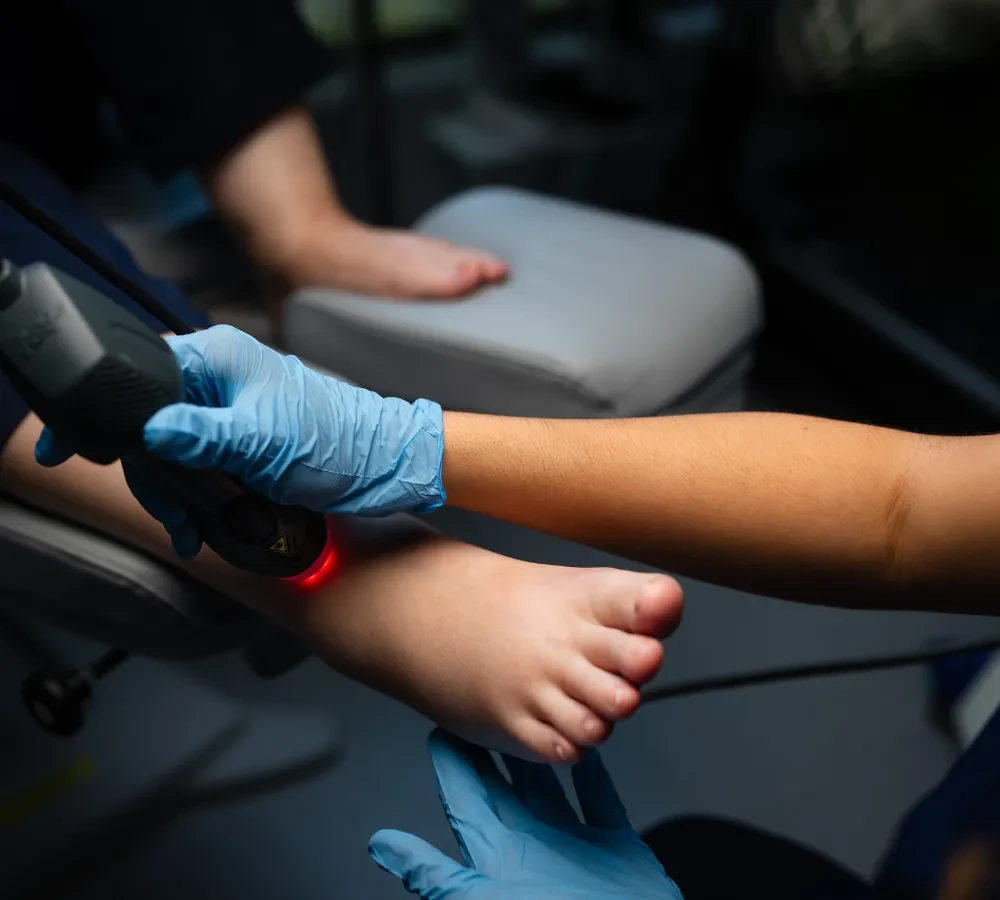
3. Specialised Treatments: Foot care clinics offer a range of specialised treatments for various foot conditions. From custom orthotics to laser therapy, these treatments can address specific issues and provide relief.
By prioritising regular visits to a foot care clinic, you can ensure that your feet receive the care they deserve and minimise the risk of
developing chronic foot problems.

Foot Care Products and Treatments
In addition to professional care, there are various foot care products and treatments available that can help maintain foot health. Here are some common examples:
1. Orthotics: Custom orthotic inserts can provide additional support and cushioning to address specific foot issues. They are designed to fit your feet perfectly and can help relieve pain and discomfort.
2. Foot Soaks: Foot soaks can feel relaxing after a long day, but the evidence for therapeutic benefit beyond simple comfort is limited. Keep the water warm (not hot), and take care if you have diabetes or reduced sensation in your feet — test the temperature with your hand or elbow first.
3. Fungal Treatments: Over-the-counter antifungal creams or sprays can be used to treat fungal infections such as athlete's foot. However, if the infection persists or worsens, it is advisable to consult a foot care specialist for further treatment.
It is important to note that while these products and treatments can provide temporary relief, they should not substitute professional
advice and care. Consult a foot care specialist to determine the most suitable options for your specific needs.
Conclusion: Taking Steps towards Healthy Feet
In conclusion, maintaining healthy feet is crucial for overall well-being and an active lifestyle. By prioritising foot care, choosing the right footwear, practicing proper hygiene, and incorporating exercises and stretches into your routine, you can prevent common foot problems and promote foot health. Regular visits to a foot care clinic and utilising appropriate foot care products and treatments can provide additional support and address any specific issues. Remember, healthy feet are happy feet – so take the necessary steps today to ensure your feet stay pain-free and comfortable for years to come!
Contact Flawless Feet
Questions about your foot health, or ready to book? Our HCPC-registered podiatrists are here to help at all three of our London clinics — open six days a week, including Saturdays at Sydenham.
Related Blogs