
Posterior Tibial Tendon Dysfunction (PTTD)? | Causes & Early Treatment

Posterior Tibial Tendon Dysfunction (PTTD) Treatment at a Glance
- What it is: a progressive condition where the tendon supporting your foot arch weakens, causing the arch to gradually collapse (adult-acquired flatfoot)
- Early warning signs: pain and swelling on the inside of the ankle, difficulty standing on tiptoes, and a foot that gradually rolls outward
- Treatment: custom orthotics, supportive footwear, strengthening exercises, high-intensity therapies and activity modification — surgery is a last resort
- Why act early: untreated PTTD can progress to rigid flatfoot, arthritis and complex reconstructive surgery
Source: NHS — Flat feet
Posterior Tibial Tendon Dysfunction (PTTD) is a progressive foot and ankle condition that affects the tendon responsible for supporting the arch of your foot.
At Flawless Feet Podiatry & Laser Clinic, our team of expert podiatrists and chiropodists in London specialise in diagnosing and treating PTTD, helping patients reduce pain, improve mobility, and avoid surgery where possible.


What is Posterior Tibial Tendon Dysfunction (PTTD)?
PTTD occurs when the posterior tibial tendon becomes inflamed, overstretched, or torn. This tendon plays a crucial role in stabilizing the arch and supporting overall foot mechanics. When compromised, the arch gradually collapses, leading to a flatfoot deformity and significant discomfort, particularly on the inside of the ankle and foot.
Early diagnosis is key — just as we aim to identify bunions early to prevent arthritic changes, timely intervention for PTTD can avoid long-term disability and surgery
Why Does PTTD Happen?
PTTD is often caused by repetitive strain or injury to the tendon, but several factors increase your risk:
- Flatfoot biomechanics or overpronation
- Obesity or high-impact activities like running, gymnastics, or dance
- Poor footwear that lacks arch support
- Inflammatory conditions such as rheumatoid arthritis or diabetes
The mechanical breakdown mirrors what happens in bunion progression: misalignment leads to poor foot function, which if left untreated, causes degenerative change and joint restriction.


Could it Be Something Else?
PTTD can mimic or coexist with other conditions, including:
- Plantar fasciitis
- Arthritis of the ankle or midfoot
- Tarsal tunnel syndrome
- Tendon tears or ruptures
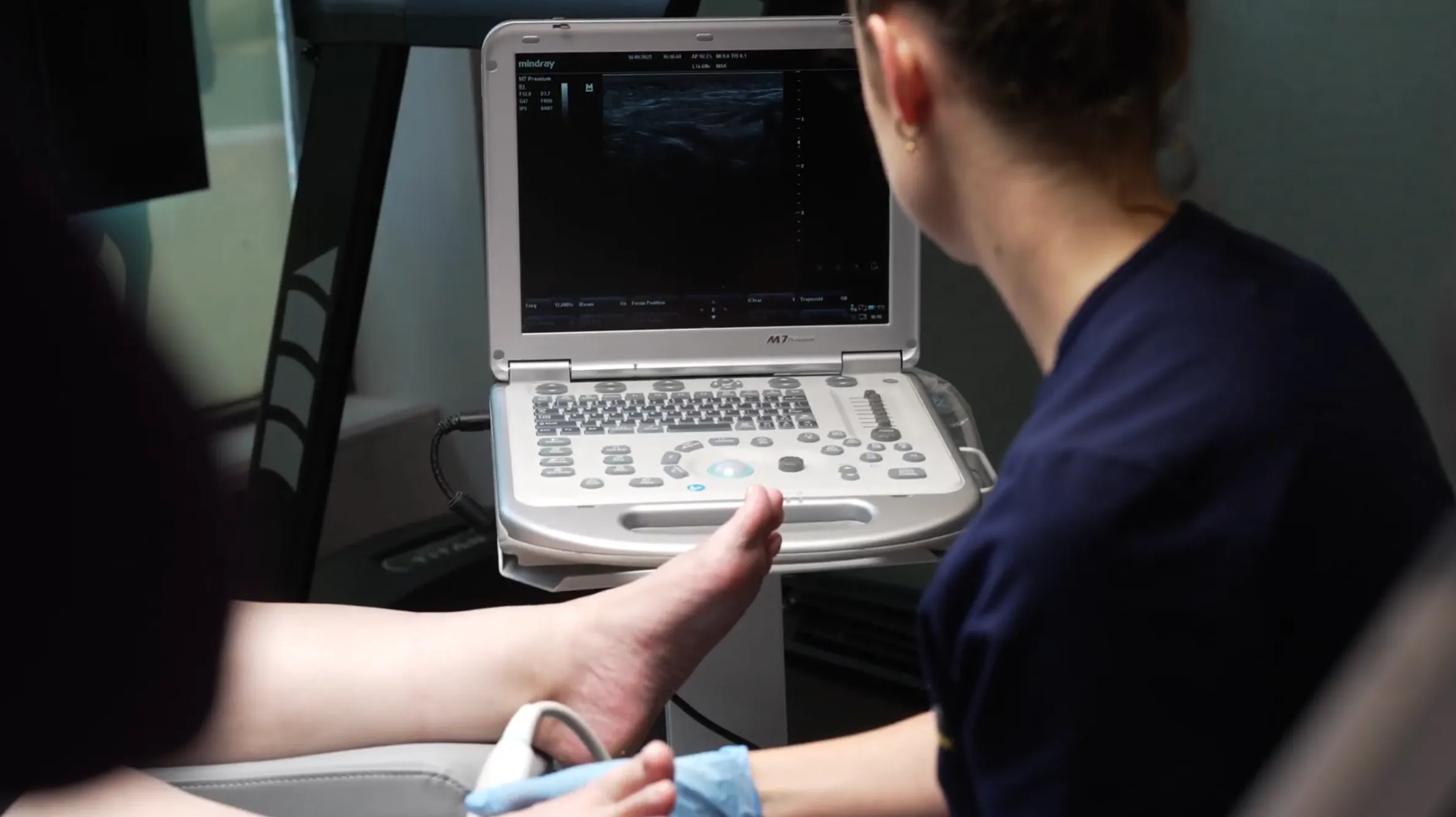
A thorough biomechanical assessment at our London clinic allows us to rule out or identify overlapping conditions. Our expertise in foot and ankle pathologies — including bunions, arthritis, and nerve conditions — means you get comprehensive care that targets the root cause.
What Can Be Done About Posterior Tibial Tendon Dysfunction?
At Flawless Feet Podiatry & Laser Clinic, we offer evidence-based, non-surgical treatment plans tailored to your stage of PTTD. Your treatment may include:
- Custom Orthotics: To support the arch and reduce strain on the posterior tibial tendon
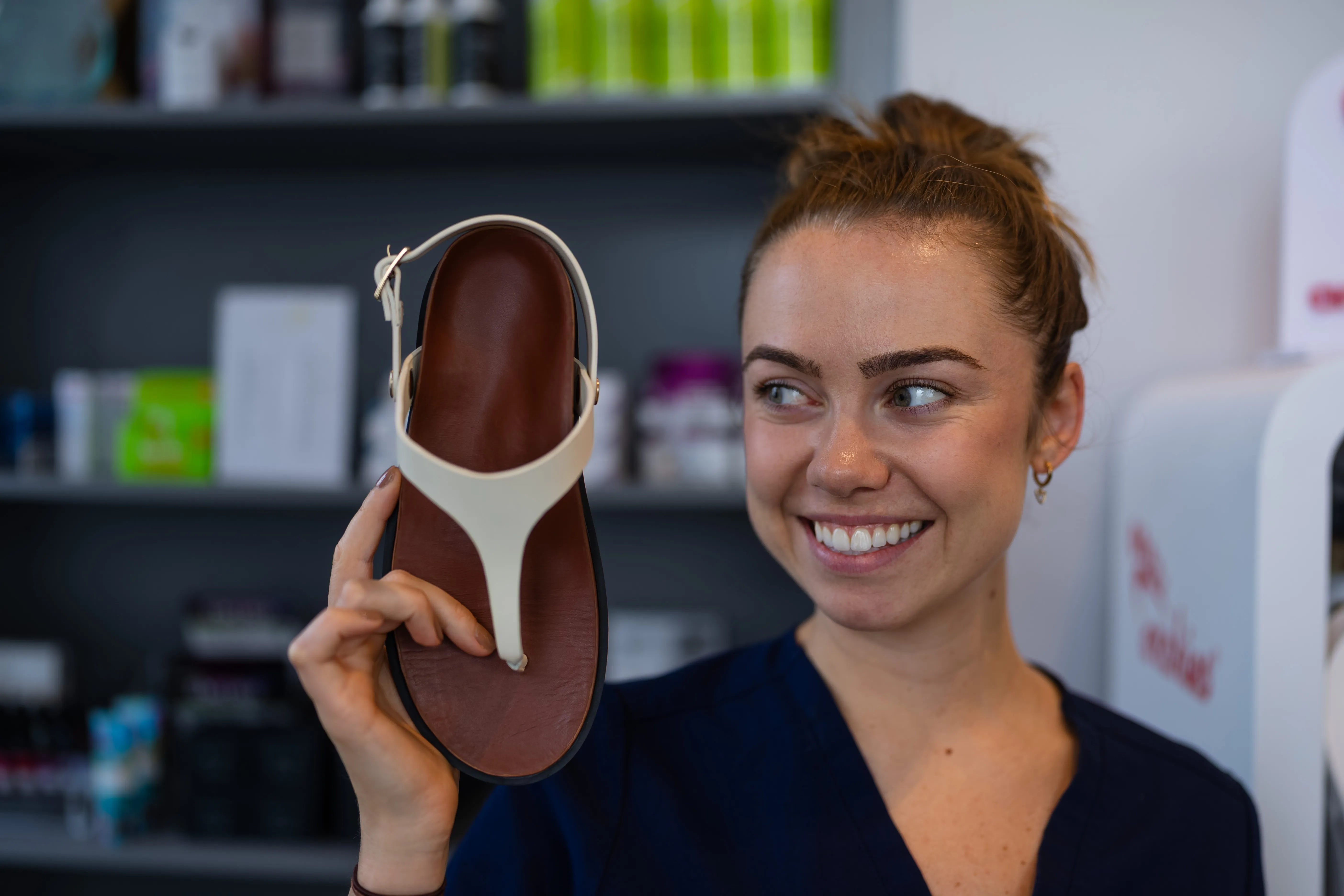
- Footwear Prescription: Shoes that provide stability, cushioning, and motion control
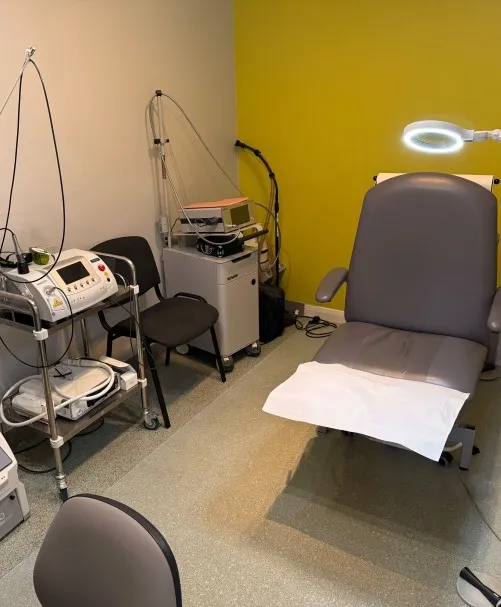
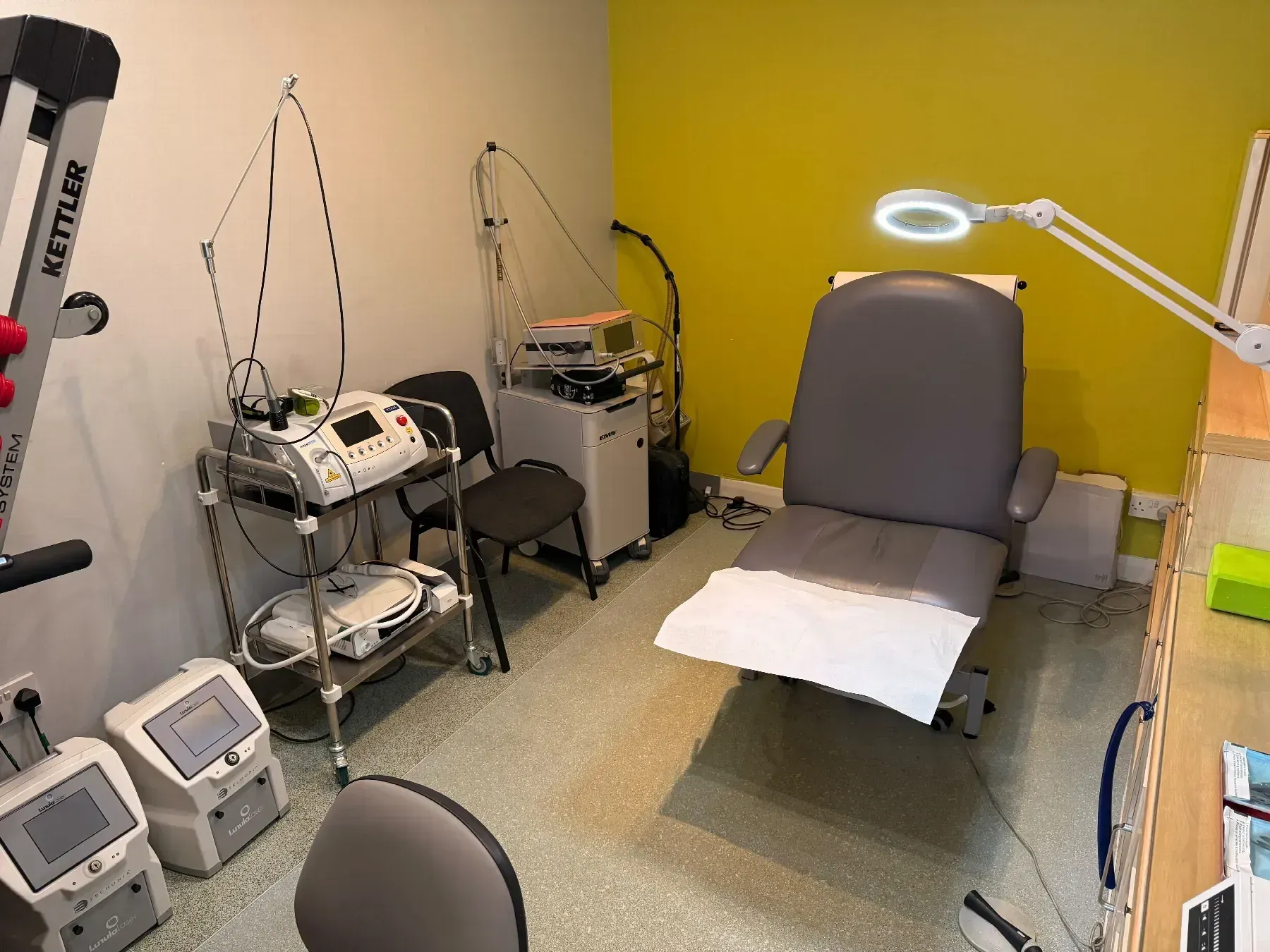
- High-Intensity Therapies: For pain relief and inflammation reduction
- Strengthening & Mobility Exercises: Targeted rehabilitation to restore tendon integrity
- Activity Modification & Education: Guiding you to avoid further tendon overload
Just as we manage bunions with conservative therapies to slow progression, we apply the same philosophy to PTTD — aiming to improve foot function and avoid invasive procedures whenever possible.
What Happens If PTTD is Left Untreated?
If left unmanaged, PTTD will likely worsen over time, potentially leading to:
- Collapsed arches and rigid flatfoot
- Chronic pain in the foot and ankle
- Arthritis in surrounding joints
- A need for complex reconstructive foot surgery
As with bunions, early detection and intervention are crucial. We encourage anyone experiencing medial foot or ankle pain to seek professional evaluation promptly. Our podiatrists and chiropodists in London are here to help guide your recovery and prevent further damage.
Why Choose Flawless Feet for PTTD Treatment in London?
We combine clinical experience, advanced diagnostics, and a holistic approach to treat the underlying causes of foot dysfunction, including tendon-related foot instability and progressive arch collapse conditions — not just the symptoms.
Whether you’re dealing with PTTD, bunions, or another structural issue, we provide care tailored to your lifestyle and goals.
Frequently Asked Questions
Book Your Podiatrist in London
Book your treatment at Flawless Feet Podiatry & Laser Clinic in London and experience expert care designed to relieve discomfort, restore movement, and get you back on your feet, comfortably.
Contact Flawless Feet
Customer Testimonials