12 Marathon Running Tips From Your Podiatrist

Lots of our clients are in training for races — 5k, 10k and marathons. Your feet bear the brunt of all those miles, so looking after them is vital if you plan on making it to the start line, let alone the finish. Here is our podiatrist's list of tips to help you make smart kit choices, stay healthy in training, and know what to do if you start feeling an injury.
Marathon Training At A Glance
- Replace trainers every 300–500 miles — shock absorption fades long before the uppers look worn.
- Build mileage gradually — a good rule of thumb is no more than ~10% more volume per week.
- Most running injuries are overuse injuries, not accidents — early assessment means a faster return to training.
- A gait analysis can spot issues before they sideline you. Learn more
Kit: Shoes, Laces & Socks
- Rotate at least two pairs of trainers. This gives each pair time to air and properly dry before you wear them again. Trainers also start to lose their shock absorption after 300–500 miles, so replace them regularly — even if they still look fine on the outside.
- Lace up properly. A small amount of loosening in your laces can let your foot slip inside the trainer, causing friction and blisters. An easy fix is to add an extra wrap at the beginning of tying your laces to lock the heel in place.
- Keep moisture off your skin. Damp skin is the main cause of blisters. In our experience, wearing two pairs of wicking socks is the best way to avoid the hot spots that lead to blisters on long runs.
Training Smart
- Always warm up. A short walk and easy jog to get your body going, along with some dynamic stretches, prepares your muscles and tendons for the load ahead.
- Build up gradually. Your feet would get a pretty big shock if you went from couch to 20k in one session! Increase the length of your runs slowly — around 10% more per week is a sensible rule of thumb.
- Build your overall fitness. Cross-train with swimming, yoga and weights to strengthen all areas of your body and take pressure off your feet and ankles.
- Train on the surface you'll race on. If your goal is a road marathon, make sure you're training on similar surfaces — and likewise for off-road and trail events.
Fuel, Fluid & Recovery
- Never skip the cool down. A few minutes of easy walking and gentle stretching helps your body transition into recovery mode.
- Stay hydrated. Drink before, during and after your runs. As a guide, consume 250–500ml of fluid 15 to 30 minutes before your workout, depending on your tolerance and the temperature and humidity.
- Eat well throughout training. Fuelling your body with the right foods will make running easier, faster and far more enjoyable.
- Use a foam roller a few times a week. Work all the way down your legs to reduce muscle tension and inflammation, helping your body recover faster between sessions.
Listen To Your Body
Allow yourself to recover fully if you pick up even the smallest injury. Most running injuries are overuse injuries that give warning signs — persistent niggles, hot spots or pain that lingers after a run — long before they stop you training altogether. Catching them early is the single best thing you can do for your race day. We can help with sports injury recovery, from diagnosis to rehabilitation.
All these tips should keep you healthy throughout your marathon training — but annoyingly, accidents do happen and injuries can still pick you. Please do rest when you need it (no runner ever likes this advice!).
Struggling With An Injury In Training?
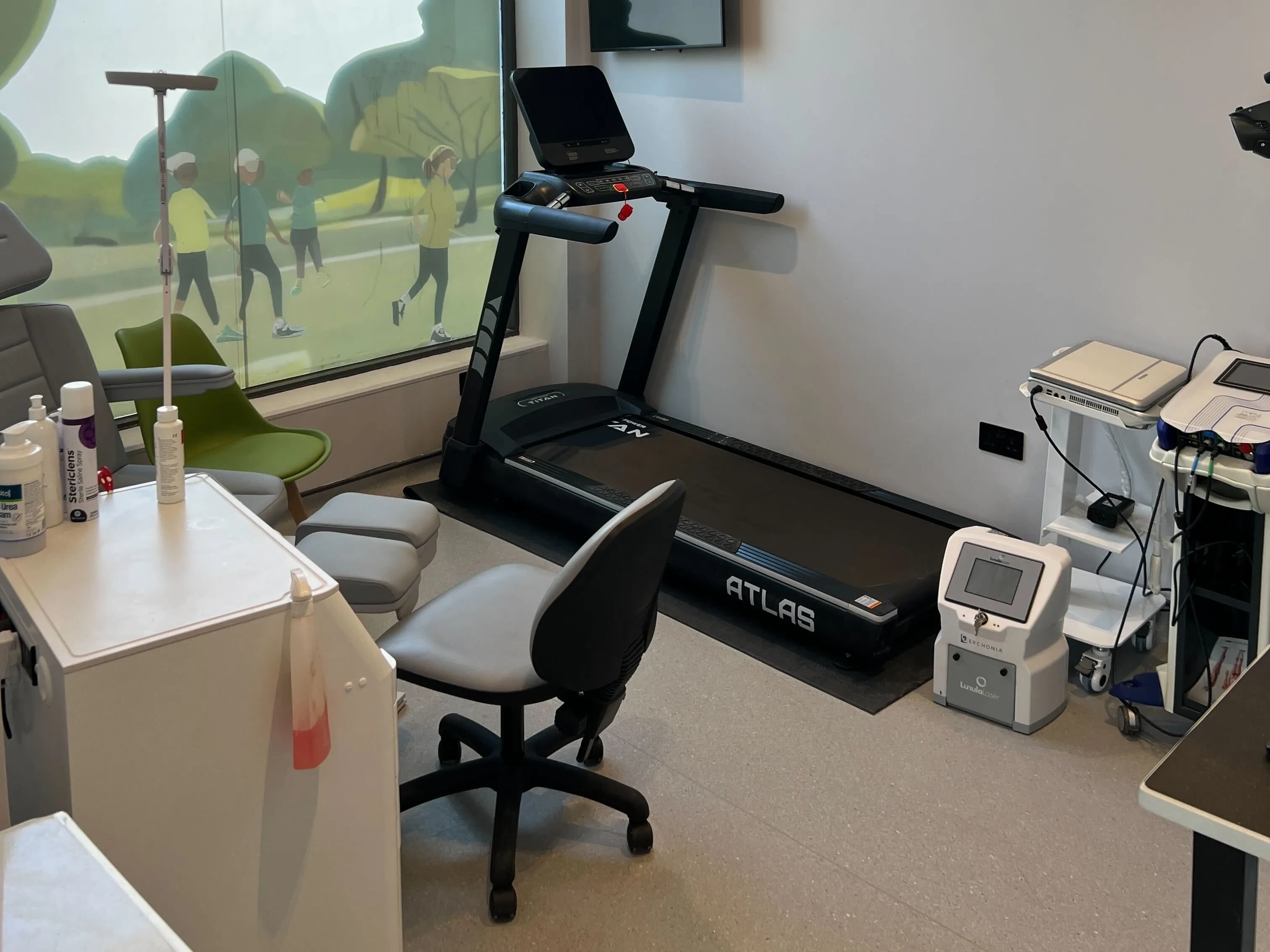
Our podiatrists can assess your feet and gait, treat injuries, and get you back on the road with a plan that suits your race goals. Want expert advice to increase your performance? Our gait analysis service identifies and treats a number of complex gait issues, from injury rehabilitation to improving sporting performance.
Frequently Asked Questions
Flawless Feet Podiatry & Laser Clinic
Sydenham |
Covent Garden |
Croydon
020 3713 8361 |
hello@flawlessfeet.com |
Book Online
Related Blogs